HOME | Fashion | Beauty | Home Furnishing | Comparison | Top Reviews |

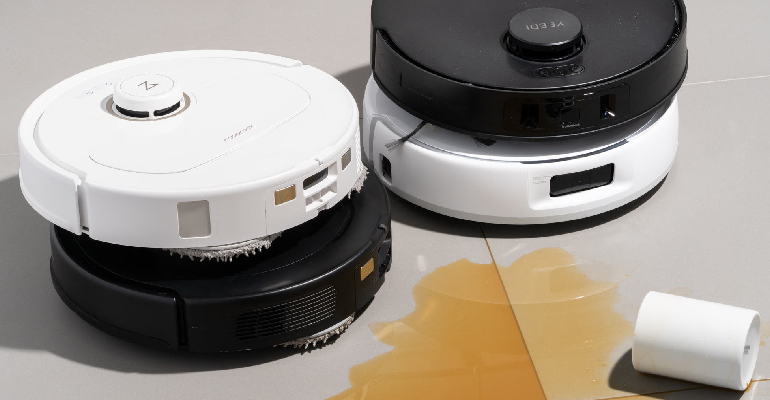
The robot vacuum category has a reputation problem. Early robot vacuums were legitimately not very good — they bumped into furniture randomly, missed corners systematically, and needed rescuing from under couches with an embarrassing frequency. That reputation has persisted long past the technology that caused it. The current generation of robot vacuums — the ones worth buying — are genuinely different products.
The category also has a feature inflation problem. Every product adds features — auto-empty bases, mop attachments, object avoidance, room mapping — and the marketing creates the impression that the most feature-rich product is the best one. This is not reliably true. The right robot vacuum is the one that does the basic job reliably in your specific home, and additional features are only valuable when they add to that reliability rather than to the product’s specification sheet.
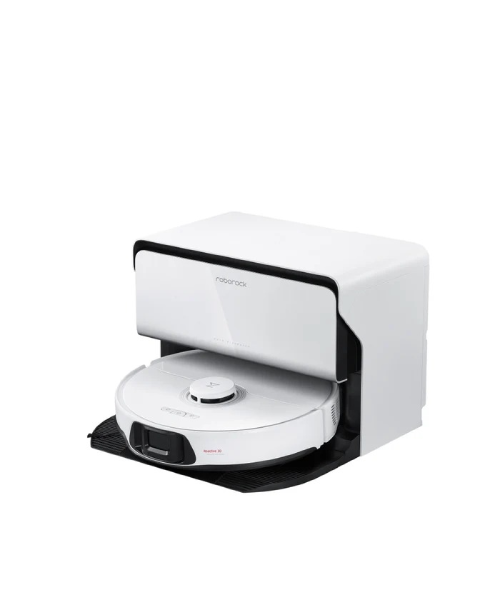
The Roborock S8 Pro Ultra costs around $1,600 and is the product I’d recommend to someone who wants a robot vacuum that works as close to autonomously as currently possible. The auto-empty base charges the robot, empties the dustbin automatically, cleans the mop pads automatically, and refills the water tank for mopping automatically. The practical consequence is that your interaction with this robot is primarily scheduling it via the app and occasionally emptying the large dust bag from the base.
The suction power (6,000Pa) handles carpet and hardwood floors reliably. The obstacle avoidance (Roborock calls their system ReactiveAI 2.0) handles cables, small objects, pet toys, and shoes with considerably more competence than first-generation systems. It still gets confused by certain edge cases but the frequency is dramatically lower than older robots.
The mopping function is genuinely useful for hard floors — not a deep clean, but a maintenance mop that keeps floors clean between thorough manual cleaning. The auto-cleaning of mop pads is the feature that makes this useful rather than a gimmick — a dirty mop pad spread dirty water across your floor is worse than not mopping, and systems that require manual pad washing largely defeat the purpose.
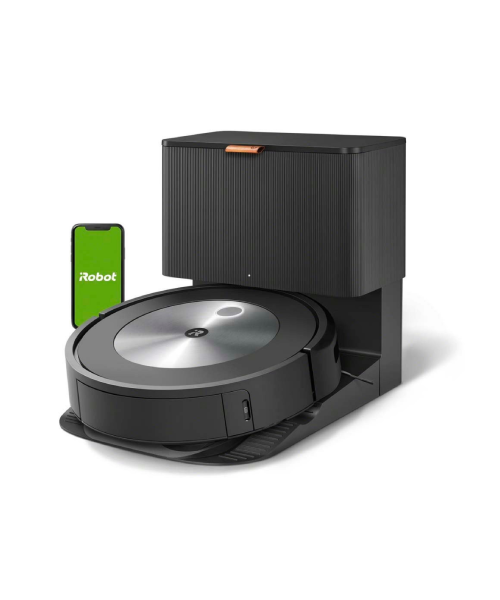
The Roomba j7+ costs around $600-700 and is the recommendation for homes with cables on the floor, pet accidents, or small objects that robot vacuums typically fail on. iRobot’s proprietary PrecisionVision Navigation identifies and avoids specific categories of objects — cables, socks, pet waste (yes, specifically pet waste, following the disaster reviews of older Roombas spreading accidents across floors) — with an accuracy that other brands haven’t fully matched.
The j7+ includes an auto-empty base that holds 60 days of dirt. The cleaning performance is excellent on hardwood and good on carpet. The mapping and navigation are reliable enough to schedule confidently for specific rooms at specific times.
The honest limitation compared to Roborock: no mopping function, and the suction power (not published explicitly by iRobot but tested as competitive with mid-range Roborock models) is lower than the S8 Pro. For homes with carpet primarily, this matters less. For homes with primarily hard floors where mopping capability would be useful, Roborock is the better platform.
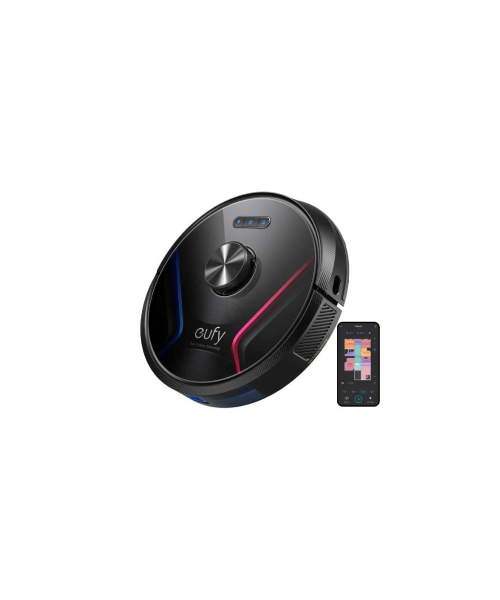
The Eufy RoboVac X8 costs around $300-350 and represents what the value segment of the robot vacuum category looks like when it’s done well. The twin turbine design produces strong suction (2,000Pa) that handles hard floors and light carpet reliably. The navigation is laser-based (LiDAR) rather than camera-based, which produces reliable mapping without the object avoidance sophistication of the Roomba j7+.
For a home with relatively clear floors (few cables, no pets, minimal small-object obstacles), the Eufy X8 at $300 produces results that compare favorably with robots at twice the price because the core function — vacuuming — is done well. The limitations appear in the specifics: no auto-empty base (you empty the dustbin manually after each run), no mopping, and less reliable obstacle avoidance.
A robot vacuum is maintenance cleaning — keeping floors from accumulating dust, pet hair, and debris between thorough manual vacuum sessions. It is not a replacement for a thorough vacuum that goes under furniture, into corners with real suction, or on stairs. The expectation that a robot vacuum eliminates manual vacuuming is the primary source of disappointment in this category. It doesn’t. It reduces how often you need to manually vacuum, which in a home with pets or high traffic is a meaningful and genuine improvement to the cleaning workload.
Carpet deep cleaning — the embedded dirt and allergen removal that requires a full-size vacuum with powered brushes — also requires a non-robot vacuum. The robot maintains the surface between full cleans; it doesn’t perform the full cleans.