HOME | Fashion | Beauty | Home Furnishing | Comparison | Top Reviews |
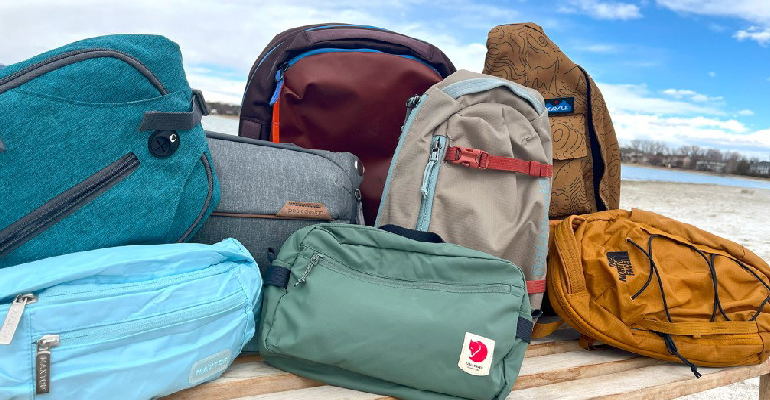
Designer bags have a specific appeal that isn’t primarily about quality. The logo, the cultural signaling, the resale value, the aspiration — these are the things people are actually buying when they spend $3,000 on a Saint Laurent tote. The leather is good. The construction is good. But the leather and construction at a fraction of the price from brands without the brand premium are also genuinely good and in some cases better.
What follows is an honest list of handbags worth buying in 2026 for people who want quality that lasts and looks expensive without the designer price.
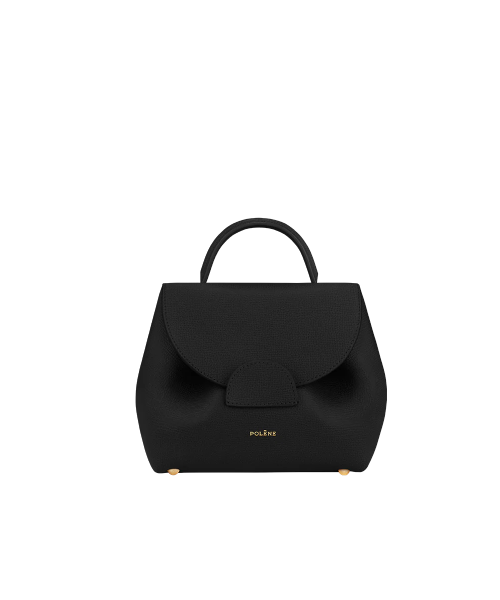
Polène is a French brand that launched in 2016 and has built a significant following primarily through the quality-to-price argument. The Numero Un (around $300) is a structured tote in their Peau de Blee leather — a matte, slightly textured finish that reads as premium without the obvious sheen of patent leather or the obvious grain of most mass-market bags.
The construction is where Polène separates from alternatives at similar prices. The stitching is clean and consistent. The hardware is substantial in weight and finish in a way that cheap bags immediately reveal themselves not to be. The zipper operates smoothly and the lining is quality rather than the thin polyester that constitutes an interior in many bags at three times the price.
The color range is deliberately restrained — Polène produces limited seasonal colors alongside permanent neutrals. The neutrals (the camel, the beige, the taupe) are the correct choice for a bag that needs to work across seasons and outfit contexts. A bag in a strong seasonal color is a fashion purchase; a bag in a quality neutral is a wardrobe investment.
After two years of regular use, Polène bags look essentially the same as when purchased with basic care. This is the durability test that fast fashion bags specifically fail.
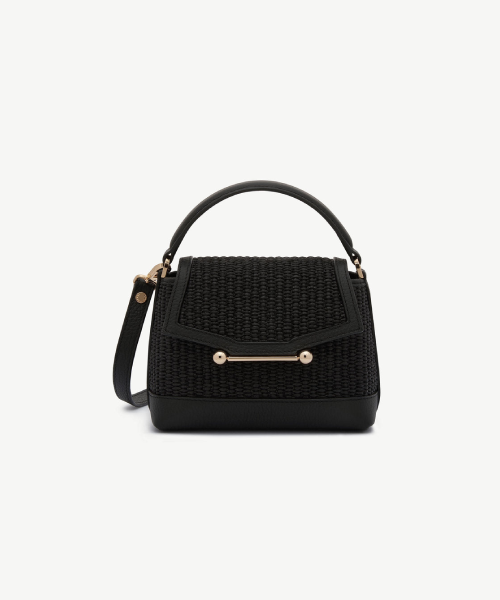
Strathberry is a Scottish leather goods brand whose East/West mini tote has become something of a cult object among people who know it and a genuine surprise to most who don’t. The bag (around $400-500) is made in Spain from full-grain leather with a distinctive bar closure hardware that’s become identifiable enough to read as recognizable without being a logo in the traditional sense.
The East/West is proportionally excellent — the long, shallow silhouette in a mid-size version works as a crossbody or top-handle bag, holds a day’s essentials without becoming unwieldy, and photographs beautifully in the way that proportionally considered bags do. The interior is clean, the stitching is impeccable at close inspection, and the leather ages gracefully in a way that lower-quality leather doesn’t.
Strathberry bags also benefit from a genuine quality assurance that isn’t just marketing — they repair bags purchased from them, supply replacement hardware, and have a customer service reputation that reflects a brand built on quality rather than volume.
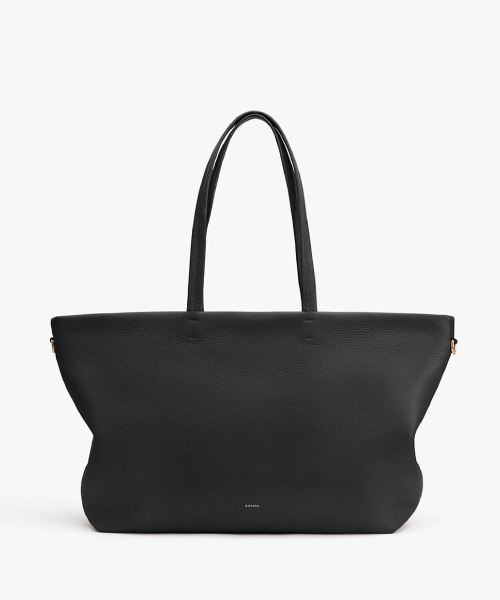
Cuyana is an American brand built explicitly around the “fewer, better things” concept and their Classic Zip Tote ($250-275) reflects this philosophy in a specific way: it’s a well-made, properly proportioned tote designed to work as an everyday bag for years rather than seasons.
The Argentinian leather is full-grain, the interior is organized with a zipper pocket and card slots, and the tote is large enough for a laptop, lunch, and everyday essentials without being the oversized, shapeless volume bag that office totes often become. The shoulder drop is calibrated to be comfortable for daily commuting use.
The honest comparison to designer totes at double or triple the price: the Cuyana leather is comparable in quality to what you’d find in entry-level designer bags. The construction is clean. The difference is brand story and logo, which are real considerations for some buyers and irrelevant for others.
Full-grain leather versus bonded leather. Full-grain is the outer layer of the hide, the most durable part, and it develops a patina with use. Bonded leather is reconstituted leather scraps, ages poorly, and peels rather than developing character. Check the label.
Hardware weight. Lightweight hardware feels insubstantial in a way that becomes apparent quickly and signals quality-cutting in the construction process. Substantial hardware — zippers that glide rather than stick, clasps that have real resistance, rings that don’t bend under the weight of a full bag — is a reliable quality indicator.
Stitching consistency. Irregular stitching — varying stitch length, thread that pulls or puckers — indicates inconsistent manufacturing standards. Run your hand along exterior seams before buying. Even stitching at consistent tension is the baseline for quality construction.
Lining quality. Turn the bag over and look inside. A quality lining is attached cleanly, doesn’t billow or pucker, and uses fabric appropriate to the bag’s positioning. A thin, poorly attached polyester lining in a $300 bag is revealing information about the overall manufacturing standards.