HOME | Fashion | Beauty | Home Furnishing | Comparison | Top Reviews |

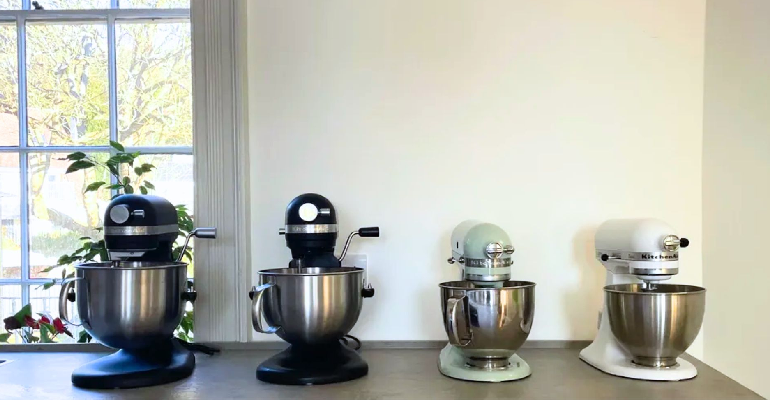
The KitchenAid stand mixer is the most aspirational small appliance in home baking. It has been photographed in millions of kitchens, gifted to millions of newlyweds, and sat on millions of countertops both used and unused. It is genuinely a quality product with a legitimate heritage — the basic design has been manufactured since 1937 and the attachment ecosystem is one of the most extensive in the appliance category.
It is also not always the right answer. And the answer to which stand mixer you should actually own depends on what you bake, how much of it you bake, and whether the KitchenAid’s particular set of strengths and weaknesses match your specific baking habits.
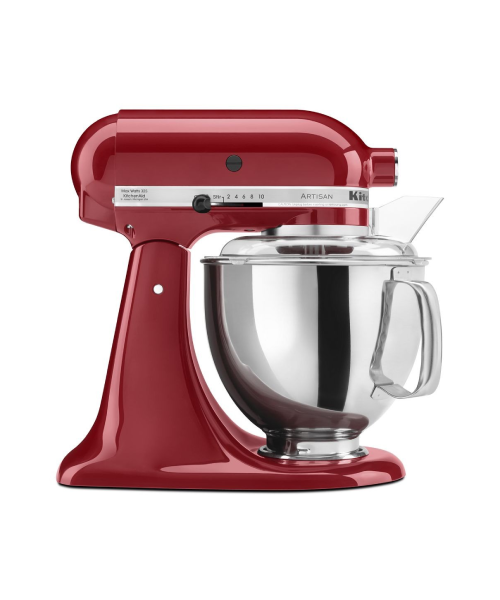
The KitchenAid Artisan 5-quart (the most commonly purchased model, around $450-500) is a tilt-head mixer with a 325-watt motor and three attachments: a wire whip, a flat beater, and a dough hook. It handles cake batters, cookie dough, whipped cream, meringue, and light bread doughs with genuine excellence. The tilt-head design makes adding ingredients during mixing simple.
The honest limitations: the 5-quart bowl is smaller than it sounds. A standard bread dough recipe for two loaves sits at the upper boundary of what the Artisan can handle without straining the motor. Dense doughs — bagels, pretzels, pizza with high hydration — push the motor in ways that produce the laboring-motor-smell that KitchenAid owners who bake bread frequently recognize. The 325-watt motor is adequate for the tasks the mixer is designed for and genuinely insufficient for heavy-duty bread baking at volume.
The attachment ecosystem is the Artisan’s most genuinely compelling feature for people who bake and cook broadly. Pasta roller, pasta extruder, ice cream bowl, meat grinder, spiralizer, grain mill, sausage stuffer — the same KitchenAid power head that handles meringues on Tuesday can be making pasta dough on Thursday. No other stand mixer has an attachment library this complete.
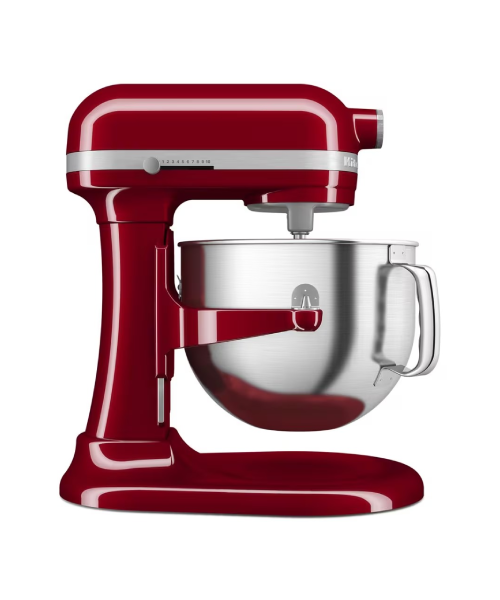
The KitchenAid Professional 600 (6-quart bowl, 575-watt motor, bowl-lift design, around $600-700) is the machine KitchenAid bread bakers who’ve stressed their Artisan should be using. The larger motor handles heavier doughs without laboring, the larger bowl accommodates double recipes, and the bowl-lift design (rather than tilt-head) provides more structural stability under load.
The trade-off versus the Artisan: the bowl-lift design is slightly less convenient for adding ingredients during mixing because you lower the bowl rather than tilt the head, and the machine is noticeably heavier and larger — if you move it frequently or don’t have dedicated counter space, this matters.
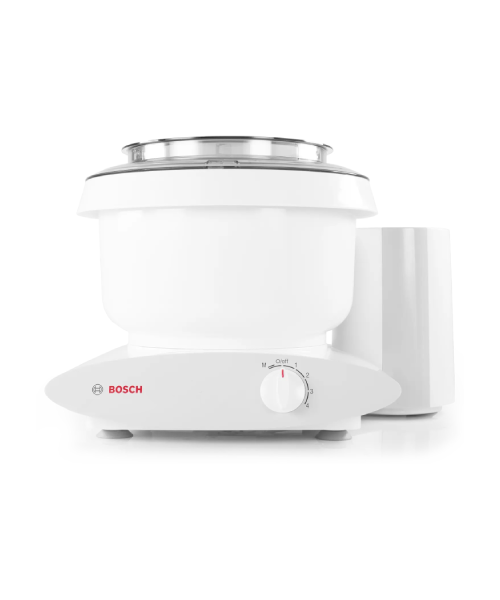
The Bosch Universal Plus costs around $400-450 and makes a genuinely strong case against the KitchenAid for bread bakers specifically. The 800-watt motor handles bread doughs — including dense, high-hydration doughs — without the straining that characterizes the KitchenAid Artisan at its limits. The 6.5-quart bowl accommodates larger batches. The planetary mixing action (where the attachment moves both around the bowl and on its own axis) is efficient and thorough.
The Bosch’s weaknesses versus KitchenAid: the attachment ecosystem is smaller (though meaningful attachments exist), the design is more utilitarian and less beautiful (the KitchenAid is genuinely the more attractive machine), and the brand recognition in North America is lower, which affects the resale market and the availability of secondhand machines at good prices.
For someone whose primary stand mixer use is bread baking: the Bosch is the better machine. For someone who bakes a wide variety of things (cakes, cookies, meringues, light doughs) and wants attachments for pasta and more: the KitchenAid’s ecosystem advantage matters.
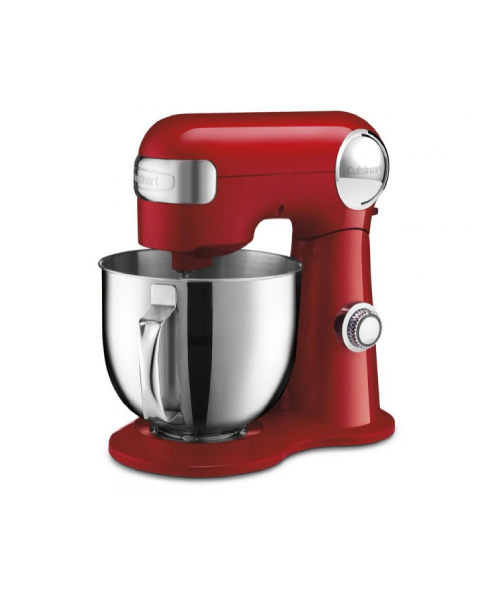
The Cuisinart SM-50 5.5-quart stand mixer costs around $200-250 and performs better than its price suggests for most standard baking tasks. The 500-watt motor handles most batters and doughs adequately. The 5.5-quart bowl is slightly larger than the KitchenAid Artisan’s 5-quart.
The honest limitations: the Cuisinart’s build quality is not in the same category as KitchenAid. Plastic components in the mechanism area produce a feel that’s noticeably different from the all-metal construction of the KitchenAid and Bosch. Over five to eight years of regular use, these differences compound. For a home baker who bakes two or three times a week consistently, the KitchenAid is likely the better long-term investment. For a home baker who bakes occasionally and wants a capable stand mixer without the full KitchenAid investment, the Cuisinart delivers genuinely good value.
The pasta roller and cutter attachment ($80-100) is the KitchenAid attachment that produces the most dramatic “why didn’t I have this earlier” reaction from people who make pasta. Fresh pasta in a stand mixer with the pasta roller takes about thirty minutes from flour to pasta sheet and produces results that compare favorably with pasta machines costing the same amount.
The ice cream bowl ($70-80) requires advance planning (the bowl needs to freeze for at least fifteen hours before use) but produces genuinely excellent ice cream, gelato, and sorbet. The yield is 1.5-2 quarts, the texture is smooth, and the flavor potential of homemade ice cream is significantly higher than commercial because you choose the ingredients.
The meat grinder attachment ($45-60) is the practical attachment that changes how you buy and use meat. Grinding your own burger blends, sausage mixtures, and meatloaf combinations produces a texture and flavor that pre-ground commercial meat doesn’t match, and you know exactly what’s in the mixture.