HOME | Fashion | Beauty | Home Furnishing | Comparison | Top Reviews |

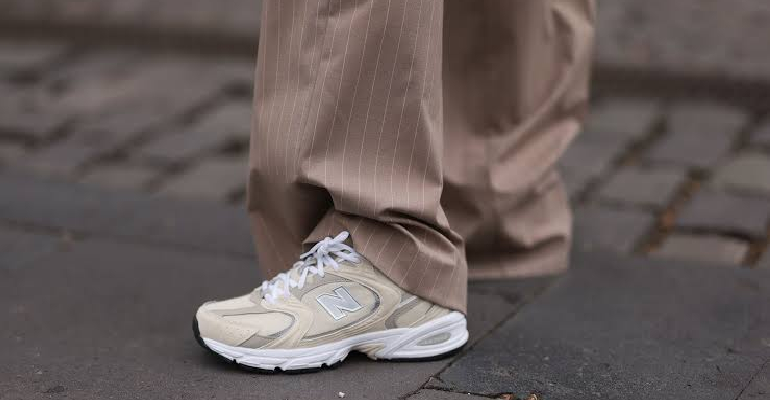
The case for a great pair of white sneakers is simple: they work with more outfits than any other shoe in a wardrobe. Midi dresses, wide-leg trousers, straight-leg jeans, casual shorts, tailored suits — white sneakers, when clean, add something to all of these that no other footwear category matches. They read as intentional rather than practical. They communicate that you got dressed rather than just got dressed enough.
The case against cheap white sneakers is equally simple: they look dirty within weeks, lose their shape within months, and require replacement on a cycle that turns a supposedly accessible purchase into an expensive habit. The right white sneaker is worth buying well once rather than buying poorly repeatedly.
The Stan Smith costs $90-100 and has been in production since 1971. The reason a shoe designed in the early 1970s remains commercially relevant and aesthetically appropriate in 2026 is not because Adidas markets it well, though they do. It’s because the proportions are genuinely correct — the silhouette sits low enough to be versatile, minimal enough to work across aesthetic contexts, and structured enough to look intentional rather than merely comfortable.
The leather version is what’s worth buying. Not the vegan leather version, not the canvas version — the genuine leather upper that takes a polish, develops a patina with wear, and holds its shape across years of use in a way synthetic alternatives don’t. Leather Stan Smiths with regular care look better after two years than synthetic versions do at two months. This is the quality argument made concrete.
The perforated Adidas stripes on the side are minimal enough that they don’t register as aggressive branding in the way that a full three-stripe sock trainer does. The green heel tab is the standard colorway; white-on-white and alternative color tabs are available if the green conflicts with your wardrobe’s color vocabulary.
Care: a damp cloth after each wear before dirt sets, a quality leather cleaner weekly, and shoe trees stored inside when not wearing to maintain shape. This routine takes under five minutes total and produces a sneaker that looks deliberately maintained rather than incidentally worn.
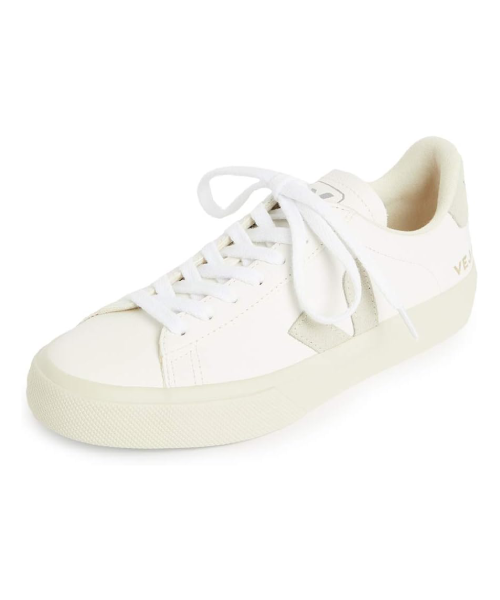
Veja sneakers cost $140-180 and have established genuine sustainability credentials rather than marketing claims. The supply chain — wild rubber from the Amazon, organic cotton, Brazilian leather from farms audited for environmental practices — has been independently verified and published transparently. This matters because the sustainable fashion space contains significant greenwashing, and Veja is one of the brands where the commitment is substantive.
The Campo model is the cleanest silhouette in their range — lower branding than the V-10 or V-12, cupsole construction, a proportional minimalism that’s close to the Stan Smith’s aesthetic territory without being derivative. The leather quality is good, the sole construction is robust, and the overall build holds up to daily wear in a way that justifies the price.
Practical notes: they run small — sizing up by half a size from your standard is consistent advice across most Veja models, and the Campo specifically can feel narrow in the toe box for wider feet. The break-in period on the leather version is real. Two to three weeks of wear before they become genuinely comfortable is normal and produces a shoe that fits the individual foot well over time.
The white Veja gets dirty in the same ways as any white sneaker. Their cleaning kit (around $25) works well. The white rubber sole responds well to a Magic Eraser on scuff marks. The leather upper takes a leather cleaner. With this maintenance, they look presentable for years.
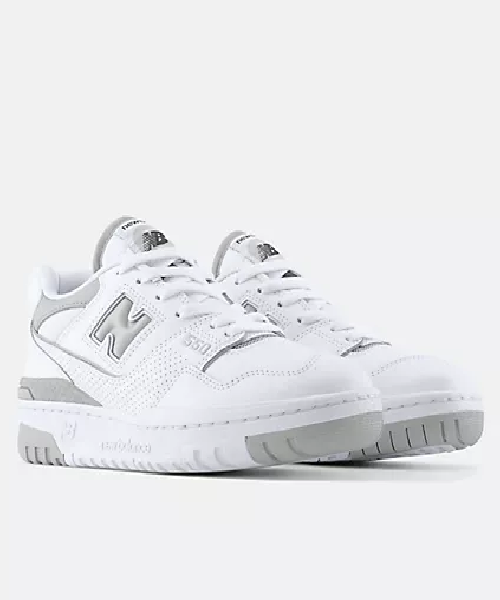
The New Balance 550 costs $110-120 and is worth more than its moment in cultural relevance. The basketball shoe heritage (the 550 was originally a court shoe from 1989) produces a construction quality that fashion-focused sneakers often don’t have — the build is made to withstand athletic use, which means it’s genuinely durable for daily casual wear.
The silhouette is chunkier than the Stan Smith or Veja Campo — a higher-profile sole, a more structured upper, a rounder toe. This is either the appeal or the limitation depending on the proportional aesthetic you’re building. With straight-leg jeans or wide-leg trousers, the 550’s chunkier base works well and adds visual interest. With slim trousers or tailored pieces, it can feel disproportionate.
The leather and mesh upper construction on the 550 is clean and maintains well. The colorways available in 2026 include enough neutral options (cream, white on white, white and navy) to suit most wardrobe contexts. Running true to size in most reports.
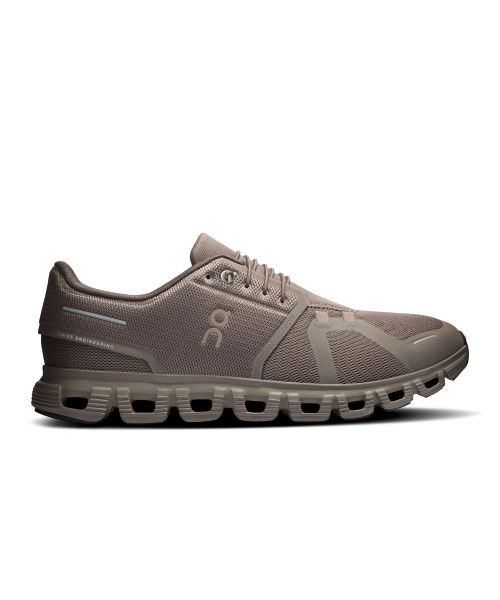
The On Cloudnova or Cloudrift (around $140-160) represents the category of technically-constructed running and walking shoes that have crossed into lifestyle territory through genuine design investment. The Swiss engineering background produces cushioning and comfort that dedicated fashion sneakers don’t prioritize, and the aesthetic has evolved to a point where the shoes work in casual contexts beyond athletic use.
The white versions of both models are cleaner-looking than most performance-adjacent footwear. The sole technology (CloudTec pods that compress on impact and release on toe-off) provides genuine comfort benefits for anyone standing or walking for extended periods — a practical consideration that pure fashion sneakers don’t address.
The honest context: On Cloud sneakers read as more athletic than the other options on this list. In contexts where you want a sneaker that genuinely disappears into a casual outfit, the Stan Smith or Veja does this more completely. In contexts where comfort for extended wear is the priority and the shoe can be more visible, On Cloud justifies its place.
The single most important practice: wipe the uppers with a damp cloth after each wear, before dirt has had time to oxidize and set into the material. This takes thirty seconds and makes weekly cleaning significantly easier.
For the rubber sole: a Magic Eraser (melamine sponge, available in bulk on Amazon for almost nothing) removes scuff marks and yellowing from white rubber soles with almost no effort. It’s the single most impactful cleaning product for white sneakers that most people don’t know about.
For leather uppers: a soft brush and leather sneaker cleaner (Jason Markk or Crep Protect are the category references) applied with a brush, then buffed clean. These products also add a mild protective coating that repels water and light dirt.
For fabric or mesh uppers: a gentle machine wash in a laundry bag on a cold, delicate cycle removes embedded dirt. Air dry only — heat yellows white fabric and degrades adhesives in the sole construction. Do not machine dry any sneaker you care about.