HOME | Fashion | Beauty | Home Furnishing | Comparison | Top Reviews |

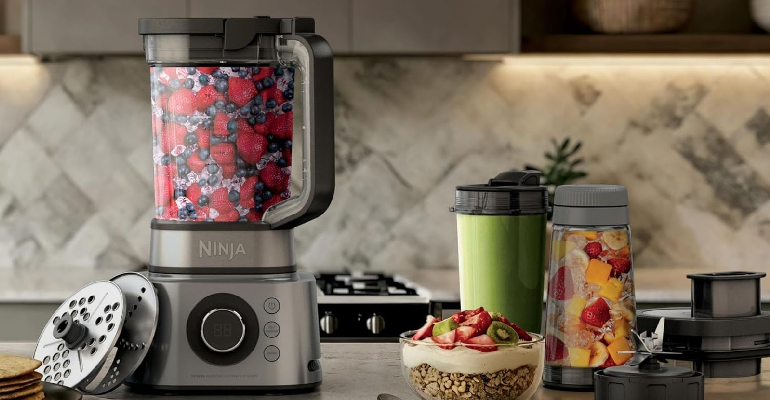
Blender marketing is among the most aggressive in the kitchen appliance category. Every product claims to be the most powerful, the quietest, the most versatile. Horsepower numbers get quoted as if peak horsepower draw corresponds to actual blending performance. The word “professional” gets applied to machines that no professional kitchen would ever own. “Commercial grade” appears on products that commercial kitchens would replace within a week of use.
I’ve blended smoothies, soups, nut butters, sauces, frozen drinks, baby food, and things that don’t have clean category names in multiple machines over several years. Here is what the honest assessment produces.
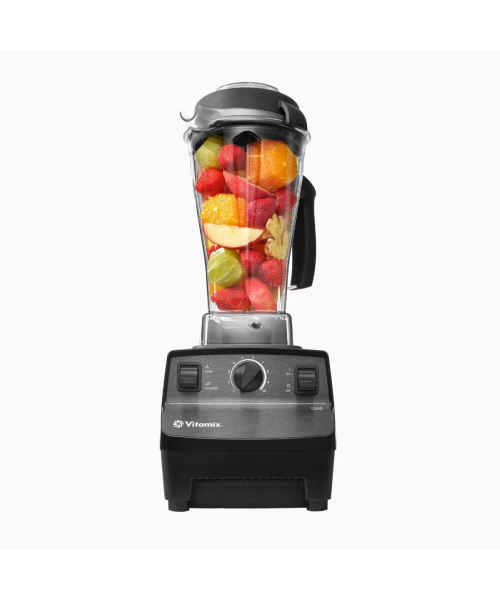
The Vitamix 5200 costs around $500 and the newer Ascent Series machines run $550-700. This is a genuinely significant amount of money for a blender and it requires justification rather than just being the most expensive option on the list.
What Vitamix does that cheaper blenders cannot: produces a completely smooth texture from fibrous ingredients. Green smoothies from a Vitamix are genuinely smooth — no spinach bits, no fibrous strands, no sensation of chewing your smoothie. The same smoothie in a $70 blender has texture. Nut butters blended in a Vitamix are silky in a way that requires more time and scraping in less powerful machines. Soups blended for long enough in a Vitamix become hot through friction alone — the blades move fast enough to generate heat during blending, which is a property no other consumer blender replicates.
The motor is warrantied for seven to ten years depending on the model. The jars are warrantied for five years. Vitamix’s customer service has a strong reputation for replacing parts and solving problems rather than directing customers to buy new machines. The total cost of ownership over a decade is more competitive than the purchase price alone suggests.
The honest counter-argument: for most applications most home cooks actually blend, a Ninja or even a $70 Oster produces acceptable results. If your blending is primarily frozen fruit smoothies, occasional soups, and dressings, you will not notice a $500 difference in the result. The Vitamix premium is real and meaningful for specific applications and genuinely overkill for others.
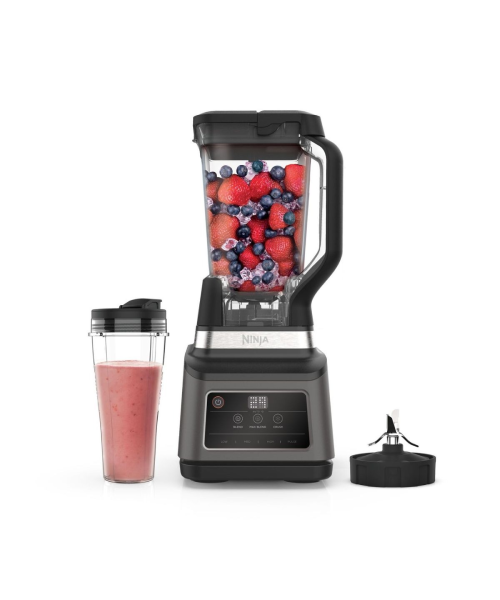
Ninja has become the dominant mid-market blender brand through a combination of competitive pricing, genuinely capable motors, and smart marketing. The Ninja Professional Plus BN701 costs around $100-120 and performs well above its price at most blending tasks.
The Auto-iQ feature — pre-programmed blending patterns for different functions — is genuinely useful rather than gimmicky. The pulse pattern for frozen ingredients produces better results than a continuous blend because it prevents the motor from bogging down on ice and frozen fruit by alternating between full power and no power rapidly.
Where Ninja machines show their limitations compared to Vitamix: fibrous greens, nut butters, and anything requiring truly extended blending. The motor runs hot under sustained load in a way that Vitamix motors don’t, and the blades are less precise in their interaction with the jar geometry than Vitamix’s design. These are real differences that manifest in specific situations.
The plastic jar is a point of comparison worth making honestly. Vitamix uses Tritan copolyester that’s genuinely robust — drop it on a hard floor and it bounces. Ninja’s jars are less thick and less durable. In years of daily use, a Vitamix jar looks essentially the same. A comparable Ninja jar starts to show scratching and scuffing.
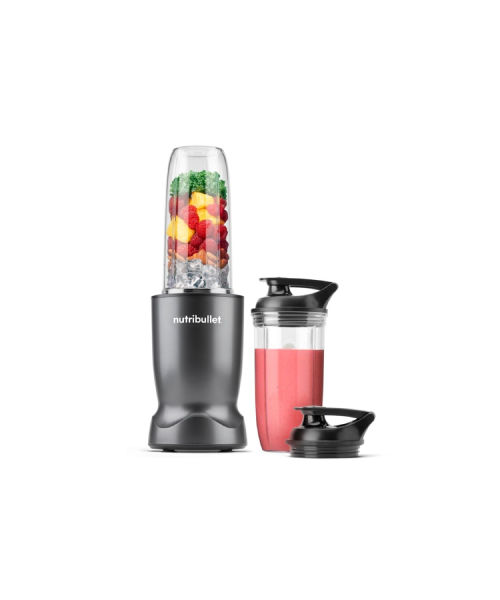
The NutriBullet is a specific solution to a specific problem: making a single-serving smoothie quickly, consuming it from the blending cup, and washing one piece instead of a full blender jar and lid. If this specific use case describes your primary blending activity, NutriBullet is the right answer and spending more is unnecessary.
The NutriBullet Pro 900 (around $80-100) handles frozen fruit smoothies, protein shakes, and soft ingredient blending competently. It does not do hot soups, nut butters, or large-batch blending. The cup size limits batch size by design.
The blade and cup design also means less precise blending than a full jar blender because the ingredients can’t circulate as efficiently — denser ingredients at the bottom blend first and ingredients at the top sometimes don’t make full contact with the blade on every rotation. For frozen fruit smoothies this matters minimally. For anything requiring complete uniformity it matters more.
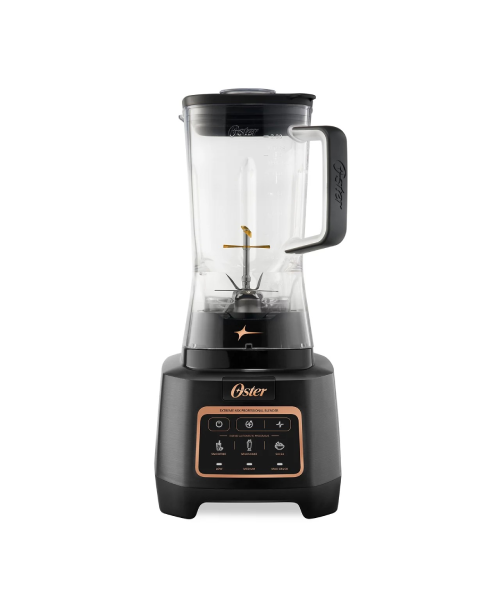
The Oster Versa Pro Series blender costs around $130-150 and uses a Vitamix-compatible jar. The motor (1,400 watts) is competitive with lower Vitamix models. The results are comparable to the Vitamix 5200 for most applications at roughly 25-30% of the price.
The trade-offs compared to Vitamix: noisier operation, slightly less consistent performance at the extremes of blending tasks (very fibrous greens, extended nut butter blending), and no equivalent warranty or customer service reputation. The machine is also less elegantly designed — it’s a functional rather than beautiful appliance.
For a home cook who wants Vitamix-adjacent performance without the Vitamix price and doesn’t need the warranty or customer service backing, the Oster Versa is the most underrated option in the blender category.
Variable speed control matters. The ability to start at lower speed and gradually increase prevents splashing when blending liquids and produces better results for certain textures. Almost all mid-range and premium blenders have this.
Pulse function matters. The ability to pulse — short bursts of power — is useful for chunky salsas, rough chops, and controlling texture in ways that continuous blending doesn’t allow.
Pre-set programs don’t matter much. The smoothie, soup, and ice crush preset buttons on most blenders produce results that a person watching the blender and stopping it at the right point achieves just as well. Pre-sets are useful when you want to walk away during blending but are not functionally superior to manual operation.
Wattage numbers require skepticism. Peak horsepower and peak wattage are measured under motor-stall conditions that produce a misleadingly high number. Running wattage during normal blending is lower and more relevant to actual performance.