
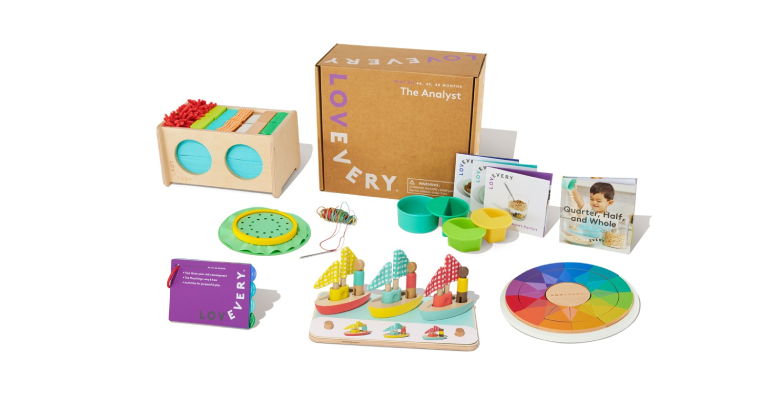
Lovevery generates one of the most consistently strong, multi-year, multi-child quality evidence bases across this entire parenting and child-development research series — including a specific, six-year-old child still actively using toys from his earliest play kits. The same brand also generates a documented, specific pattern of subscription and order management failures (duplicate shipments, unresponsive support, lack of any phone contact option) that deserves equally direct, complete treatment.
Best for: Parents specifically wanting curated, developmentally sequenced, sustainably-made toys without the research burden of selecting age-appropriate items themselves, who purchase individual kits rather than committing to an open-ended subscription until they’ve confirmed responsiveness and fit for their specific child, and who are comfortable supplementing with the brand’s own secondhand “Pre-Loved” marketplace to reduce overall cost.
Cross-referenced from Trustpilot’s UK review collection (168+ reviews), Thingtesting’s aggregated brand review collection, The Good Trade’s editorial hands-on review, Wanderlust Chloe’s detailed first-year, multi-kit review, Uninfluenced Review’s aggregated Reddit community sentiment collection, BabySavers’ detailed four-child personal test, Confidently Mom’s detailed multi-year, multi-kit ranking by a parent who’s used the kits across multiple children, and Anna In The House’s detailed two-child, multi-year independent review. No commercial relationship with Lovevery.
Lovevery was founded in 2017 by Jessica Rolph, based in Boise, Idaho, building age-specific, Montessori- and Waldorf-inspired play kits designed by a team of child development experts spanning education, medicine, and academic research disciplines. The product range covers ages 0 weeks through 5 years via numbered, sequential Play Kits, alongside standalone products including the Play Gym, Block Set, play kitchens, bath toys, and Montessori-style furniture. Products are designed in the United States and manufactured with partners in Asia who, per the brand’s own stated positioning, adhere to sustainability and labor standards.
This is where Lovevery most clearly and most consistently earns its reputation, and the evidence base spans multiple years and multiple children across separate, independent sources. One detailed, specific Reddit-sourced community account: “My oldest is almost 6 and he still uses a lot of the toys and games” — a genuinely rare, specific, multi-year longevity claim for children’s toys generally. A separate, independent detailed reviewer who tested kits across four children aged 2-5 reaches a direct, confident conclusion: “YES, it is worth it. The high quality toys, along with the play guide, book, art supplies, picture cards and montessori-style items make the kit worth it.”
A separate detailed account specifically praises the resale value as evidence of genuine build quality: “Lovevery toys have a great resale value and you can always find them at secondhand kids stores or Marketplace — a testament to their longevity, for sure.” This kind of secondary-market durability signal is a genuinely meaningful, independently-verifiable quality indicator distinct from the brand’s own marketing claims.
This deserves direct inclusion because it’s a specific, repeated pattern across multiple independent sources rather than a single household’s idiosyncratic preference. One detailed account: “Neither of my kids wanted to touch anything made of felt (I honestly didn’t like the texture either) and since we have a cat all the items were instantly covered in cat hair, so all the felt toys were immediately discarded which seemed like a waste.” The same reviewer’s specific critique of the included doll: “neither of my kids cared for a doll up until 2.5,” with a fair, specific observation that the doll’s design “is more aligned with Waldorf philosophy rather than Montessori” — useful, precise guidance for parents specifically expecting purely Montessori-aligned materials throughout.
This deserves the most careful, complete treatment because it describes a real operational gap rather than a product quality issue. One detailed, specific Trustpilot account describes ordering a subscription for a not-yet-born grandchild, with the recipient (the customer’s own daughter, in a different city) receiving “her third box and they all have the same toys in them” — a genuine, specific duplicate-shipment failure. The customer’s documented attempt at resolution: “There is no phone number for the company that I can find, all you can do is email them. I have been sending emails for a week now… I have not heard anything other than that.” This is a meaningfully concerning account specifically because it combines two separate failures — the duplicate-shipment error itself, and the complete absence of any phone-based escalation path when email support proved unresponsive.
A different, detailed, recent account describes a Christmas gift purchase that, only after the order was placed, was revealed to be back-ordered until March — three months past the intended gift date — with no proactive notification at the time of purchase. The customer’s own specific, fair framing: “for a children’s brand where many purchases with 3+ weeks lead time should not be an issue.” This same customer specifically notes the company did eventually process a refund when requested, but the underlying communication gap (no upfront stock-status disclosure before the sale) represents a real, documented planning risk for any time-sensitive gift purchase.
This deserves honest, balanced inclusion because the cost-benefit assessment genuinely divides reviewers in specific, quotable ways. One specific, heavily-upvoted (32 upvotes) Reddit community comment states directly: “It’s honestly one of the biggest rip offs I’ve seen as a parent.” A separate, equally specific counter-comment provides useful context: “In regards to cost, it is a lot up front. But when you break out the cost per toy, it’s frequently cheaper than anything comparable you’d buy new” — and a third notes the brand’s own secondhand “Pre-Loved” marketplace as a genuine cost-mitigation strategy: “Lovevery now has a ‘pre loved’ section on their website where you can buy them used directly from other families, and they’re eligible for replacement parts through Lovevery!”
One detailed, experienced reviewer (who had previously run her own wooden toy production business) raises a specific, fair critique of item timing within certain kits: “The counting pegs only appear right before the child’s 3rd birthday in The Free Spirit Kit which in my opinion is late… my older son knew how to count to 20 by 2.5 years.” This is useful, specific guidance for parents whose own children may be developmentally ahead of a given kit’s targeted age range on specific skills — the kits are designed around general developmental averages, and individual children’s actual readiness for specific skills can reasonably diverge from the box’s stated age.
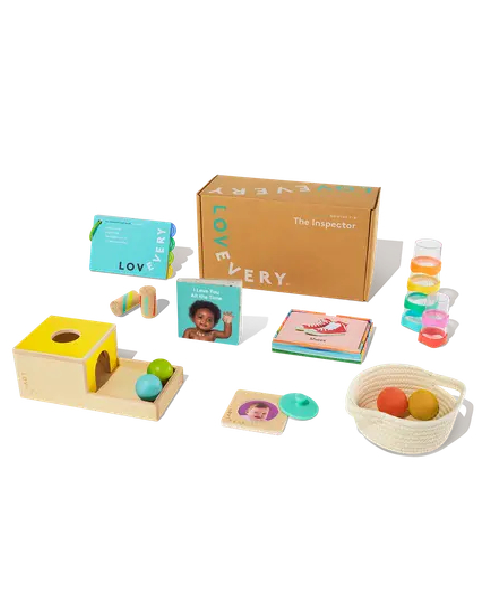
Best for: Buyers wanting one of the most consistently and specifically praised single kits in the entire age-range lineup.
One Honest Drawback: As with the broader catalog, expect the inherent premium price relative to comparable individual toy purchases.
Verdict: Independently identified across multiple specific sources as one of the strongest, longest-lasting individual kits available.
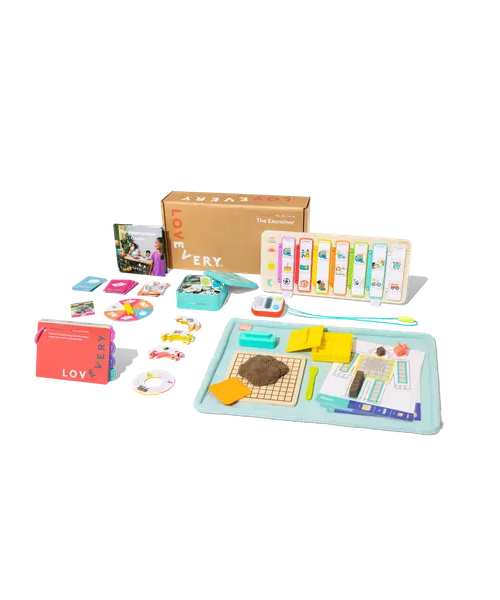
Best for: Buyers wanting a kit with documented, complete satisfaction — no specific “dud” item identified by experienced multi-kit reviewers.
One Honest Drawback: As with any specific kit recommendation, individual child interest and developmental readiness will vary.
Verdict: A genuinely strong, fully-endorsed kit per detailed multi-child, multi-year testing.
Best for: Cost-conscious buyers wanting to access the brand’s quality and developmental design at a reduced price point.
One Honest Drawback: Selection and specific kit availability will vary based on what other families are currently reselling.
Verdict: The smartest single strategy for managing the genuine cost concern that the largest minority of critical reviewers raise.
Real accounts paraphrased:
For buyers specifically wanting developmentally sequenced, sustainably-made, genuinely durable toys with strong multi-year and multi-child evidence behind them: yes, with reasonable confidence — the quality evidence across separate, independent, multi-year sources is consistent and specific.
For buyers specifically concerned about cost: consider the brand’s own Pre-Loved secondhand marketplace, and start with individual kit purchases rather than an open-ended subscription given the documented subscription management concerns.
For any subscription purchase, particularly gift subscriptions sent to a different address than the purchaser’s own: monitor the recipient’s deliveries closely and act quickly if any duplication or error occurs, given the documented absence of phone support and the specific, week-long unresolved email exchange in at least one detailed account.
lovevery.com — direct, with individual kit purchases, subscriptions, gift options, and a brand-operated Pre-Loved secondhand marketplace all available.
Based on substantial, specific, multi-year, multi-child evidence: generally yes for families who use the kits actively — the resale value and multi-year continued use documented across independent sources support genuine durability and design quality.
No — documented accounts confirm support is email and chat-only, which has created specific, serious resolution delays in at least one documented duplicate-shipment case.
Two genuinely separate concerns: the felt-based toys and included doll receive specific, repeated criticism for limited engagement in some households, and the subscription/order management process has documented gaps including duplicate shipments and unresponsive support.
Yes — the brand operates its own official Pre-Loved marketplace for secondhand kits, which remain eligible for official replacement parts, in addition to third-party resale markets like Facebook Marketplace.
Lovevery earns genuine, substantial, multi-year, multi-child evidence supporting its core quality and developmental design claims — toys still in active use by children years past their original target age, and strong secondary-market resale value, are both meaningful, independently corroborated quality signals.
The documented subscription and order management gaps — a specific, week-long unresolved duplicate-shipment case with no phone escalation path, and a separate undisclosed-backorder gift-timing concern — deserve equal, honest weight. Buy individual kits initially to confirm fit and service responsiveness, supplement with the brand’s own secondhand marketplace to manage cost, and monitor any subscription or gift order closely.
Category | Score |
Toy Design & Developmental Quality | 9 / 10 |
Long-Term Durability | 9 / 10 |
Sustainability/Materials | 8.5 / 10 |
Subscription/Order Management | 5.5 / 10 |
Customer Service Accessibility | 5 / 10 |
Value for Money | 7 / 10 |
Overall | 8.0 / 10 |