
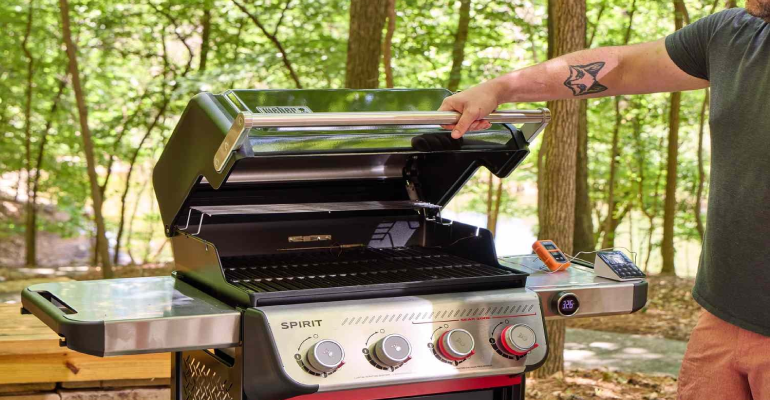
Weber enters 2026 in a meaningfully different position than it has occupied for most of its history: in May 2025, Weber merged with Blackstone — the dominant outdoor griddle brand — under combined leadership headed by Blackstone’s own founder. Understanding what this merger actually changes, and what it doesn’t, is the single most useful framework for evaluating any Weber purchase this year.
Best for: Buyers in the $500-$2,000 range specifically — the Spirit line for casual weeknight grilling at the most accessible price, and the Genesis line for the best all-around mid-tier gas grill currently available, according to independent test kitchen evaluation.
Cross-referenced from Taste of Home’s expert-tested Genesis E-325 review, Smoked BBQ Source’s detailed Spirit vs Genesis comparison, Quality Grill Parts’ 2026 head-to-head breakdown, Yale Appliance’s industry analysis of the Weber-Blackstone merger, The Virtual Weber Bulletin Board’s long-term owner forum discussions, The BBQ Brethren Forums’ documented customer service exchange, and Home Depot/Best Buy verified purchase reviews. No commercial relationship with Weber.
Table of Contents
Weber-Stephen Products has been the dominant name in American backyard grilling for over seven decades, building its reputation on the original kettle grill and expanding into the current Spirit (entry-level), Genesis (mid-tier), and Summit (premium) gas grill lines. On May 5, 2025, Weber and Blackstone — the company that built the dominant outdoor griddle brand from a single product into a category leader over sixteen years — closed a merger, forming the combined entity Weber Blackstone, led by Blackstone’s own founder, Roger Dahle.
This deserves direct, upfront treatment because it’s genuinely new context that changes how a 2026 Weber purchase should be evaluated relative to prior years. Industry analysis specifically frames the strategic shift: “the new strategy favors high-volume, big-box retail, which helps the entry-level lineup and hurts the top end.” Blackstone’s own founding playbook — “aggressive pricing, massive retail distribution, and Chinese contract manufacturing” — is now informing Weber’s broader corporate direction.
The practical, concrete result for 2026 specifically: the Spirit line received genuine, meaningful investment — a new 750°F Sear Zone, Weber Works side tables, and Wi-Fi-enabled digital thermometers across an expanded 16-model lineup. Independent analysis is direct about this being a real strategic priority: “the Spirit fits cleanly into the new Weber Blackstone strategy: volume, accessibility, and retail-friendly pricing… it will keep getting investment.” The flip side, per the same analysis: “for the first time in 30 years,” buyers above roughly $3,899 now have credible alternatives to Weber’s flagship Summit line from competitors like Lynx and Blaze — a notable shift from Weber’s historical premium-tier dominance.
The Genesis Line — Independently Validated as the Class Leader
This is where Weber’s reputation is most clearly and most currently earned. Taste of Home’s expert test kitchen specifically awarded the Genesis E-325 their top spot for best gas grill, citing “powerful performance, stylish design and extra clever features,” with their grilling expert specifically praising “its large grilling area, attractive design and sturdy build.” A separate, more recent 2026 industry analysis independently reaches the same conclusion: “Weber’s Genesis is still the best grill under $2,000,” and specifically identifies it as “the one we sell most often” among the dealers and retailers consulted.
The Genesis platform received genuine, specific 2026 updates worth knowing precisely: an expanded 13,000 BTU Sear Zone, integrated lighting with illuminated knobs, a front-facing digital propane tank gauge, an expanded prep table fitting a full sheet tray, and full compatibility with the modular Weber Crafted accessory system (griddle, baking stone, sear grate, roasting basket, rotisserie skewers). The same analysis is honest about one specific limitation worth understanding precisely: the “Sear Zone” branding “is not an infrared sear burner. It is another row of standard burners that gives you more heat in a defined zone… it is not the same thing as the ProSear or Trident infrared burners” found on premium competitors like Lynx.
Multiple independent sources converge directly on this point: “Where the Spirit II E-310 and Genesis E-325 really differ is in build quality. The Spirit has more plastic components, so it is inherently less durable than the Genesis.” This isn’t framed as the Spirit being a poor product — the same source specifically notes “you can still get a lot of good years out of the Weber Spirit” — but rather as an honest, specific tradeoff buyers should understand precisely before choosing based on price alone. A separate, more detailed comparison provides genuinely useful practical guidance: “Spirit is the smarter pick for most Weber buyers in 2026” specifically for households cooking for 2-4 people regularly, reserving the Genesis upgrade for buyers who “regularly use the extra cooking space, entertain often… and plan to keep the grill for many years.”
This deserves direct inclusion because it’s detailed, specific, and comes from a genuinely knowledgeable long-term-owner community rather than a single disgruntled buyer. A detailed Virtual Weber Bulletin Board forum post specifically documents: “The Spirits now come with Stainless Steel Flavorizer bars, instead of Porcelain Enameled. However, the SS is paper thin. The Porcelain Enameled Cooking Grates on both Spirit and Genesis are far thinner and lighter than those from 5 and 10 years ago.” The same poster’s specific, practical recommendation: “If you have any cooking grates for a 2 or 3 Burner Spirit from flipping grills from older models, I would probably swap them in.” This is a real, specific, and credible material-quality observation from an experienced community — though the same poster’s overall conclusion is measured rather than alarmist: “depending on how often she grills, the longevity of those parts might not matter really.”
For complete, balanced treatment, one specific account deserves direct mention: a long-term Weber kettle owner describes ordering a 26-inch kettle through Amazon and finding “the quality was so bad that Amazon actually stopped selling them and their reasoning was ‘manufacturing defects.’ My lid and bowl were so out of round that they didn’t close.” The reviewer’s own framing confirms this was resolved at the retailer level (Amazon pulling the affected listing) rather than representing an ongoing, unaddressed issue, and the same reviewer specifically notes the product “has since brought it back” — suggesting the specific manufacturing issue was identified and corrected.
This is worth noting directly: Weber’s consumer care team is documented proactively reaching out to a customer who posted a critical 3-star review, specifically writing: “I saw your 3-star review on the Spirit E-310 and wanted to reach out. I’d love the opportunity to turn your experience around.” While the customer in this specific case found the response “generic corp speak” and remained unsatisfied with the underlying price-versus-quality concern he’d raised, the proactive outreach itself is a genuine, documented customer service practice worth knowing about — Weber is monitoring and responding to critical feedback rather than ignoring it.
A detailed Home Depot verified review from a Genesis E-335 owner who specifically describes cooking on the grill “4-5 times a week” in a Southern climate provides genuinely useful, specific real-world feedback: “this is my second Weber in 5 years… so far the grill lives up to its reputation grilling and quality.” His specific, constructive design critiques — wishing the griddle insert and grease drain hole were repositioned, and wanting a propane gauge included like his prior Spirit had — read as the kind of detailed feedback from a genuinely satisfied repeat buyer rather than a fundamental quality complaint.
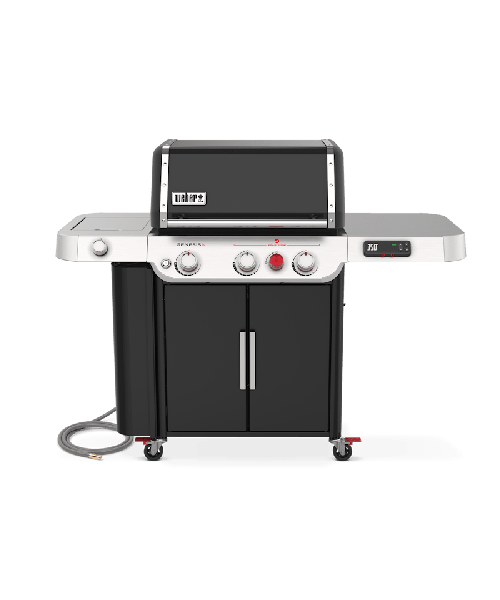
Best for: The best overall mid-tier gas grill currently available, per independent expert test kitchen evaluation, for households entertaining regularly or cooking for 6-8 people.
One Honest Drawback: The “Sear Zone” is genuinely a high-heat burner zone rather than true infrared sear technology — understand this specific distinction if you’re comparing against infrared-equipped premium competitors.
Verdict: The right Weber for most buyers willing to spend above the entry tier, validated independently as the class leader rather than just the brand’s own marketing claim.
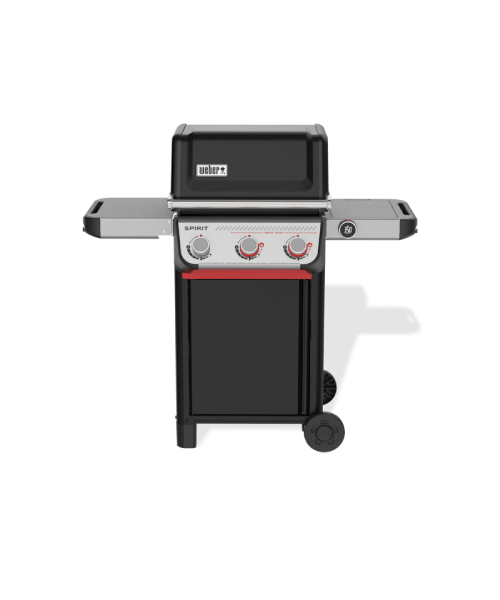
Best for: Households cooking for 2-4 people regularly, wanting genuine Weber reliability at the most accessible 2026 price point.
One Honest Drawback: More plastic components than the Genesis means inherently less long-term durability, and at least one detailed forum account documents thinner flavorizer bars and cooking grates compared to older generations.
Verdict: A genuinely smart buy for most everyday households per multiple independent comparisons — reserve the Genesis upgrade specifically for buyers who’ll actually use the extra capacity.
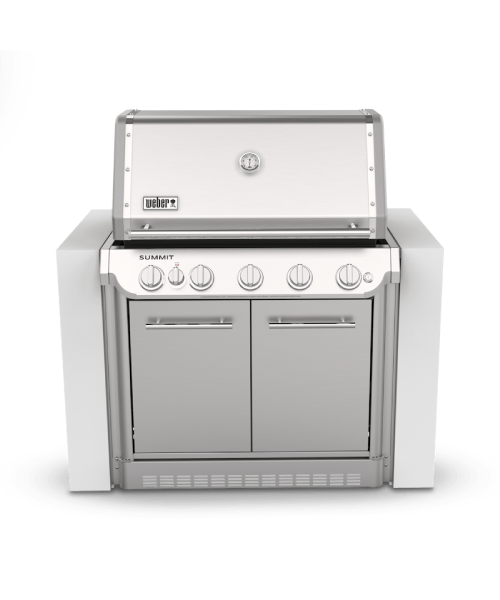
Best for: Buyers wanting Weber’s top-tier integrated smoker box and largest cooking area, who specifically value Weber’s premium positioning over newer competitors now entering this price tier.
One Honest Drawback: Industry analysis specifically notes that for the first time in 30 years, credible alternatives now exist above this price point (Blaze Premium LTE+, Lynx Sedona) — worth direct comparison given the genuine new competition in this specific tier.
Verdict: Still a strong premium choice, though buyers at this budget level should specifically compare against the new competitors industry analysis identifies, given Weber’s documented strategic shift away from top-tier investment.
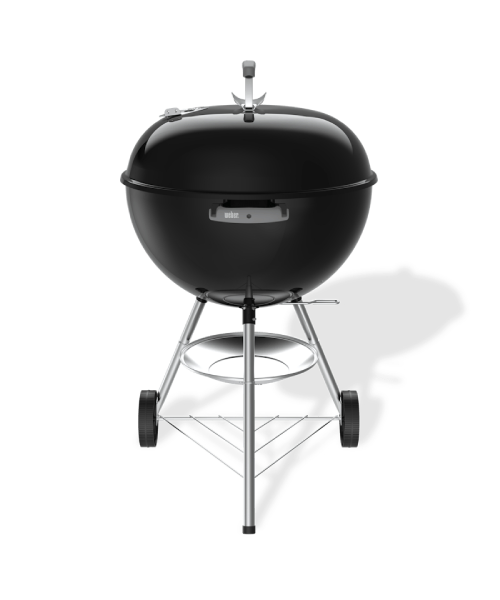
Best for: Charcoal purists wanting Weber’s classic, time-tested kettle design.
One Honest Drawback: At least one specific, documented manufacturing defect case exists (a 26-inch unit with an out-of-round lid and bowl that couldn’t close properly) — though this appears to have been identified and corrected at the retailer level.
Verdict: A solid, trusted choice for charcoal grilling, with the recommendation to inspect the lid-to-bowl fit carefully upon unboxing given the one documented defect case.
Real accounts paraphrased:
For mid-tier buyers specifically: yes, with strong confidence — the Genesis E-325 is independently validated as the class leader under $2,000 by current expert test kitchen evaluation, not just brand marketing.
For entry-level buyers: yes, with the understanding that the Spirit’s plastic components and documented thinner-gauge materials represent a genuine, specific tradeoff for the lower price, while still genuinely improved for 2026 with real new features.
For premium buyers: worth direct comparison against newer competitors given Weber’s own documented strategic shift away from top-tier investment following the Blackstone merger.
Spirit | Genesis | Summit | |
Price | From $599 | $1,599-1,899 | $3,899+ |
Build quality | More plastic, thinner materials | ✅ Sturdier, 9mm grates | ✅ Premium, integrated smoker |
Best for | 2-4 person households, weeknight grilling | 6-8 person entertaining, mid-tier upgrade | Maximum capacity, top-tier features |
2026 investment level | ✅ Genuinely improved | Stable, class-leading | Industry notes reduced relative investment |
Independent expert validation | Good value, not class-leading | ✅ “Best gas grill” per expert test kitchen | Strong, but new competitors now exist |
weber.com — direct, full lineup. Also widely available at Home Depot, Best Buy, and Lowe’s, which may provide additional return policy protection beyond Weber’s direct warranty.
Yes — confirmed directly, closing May 5, 2025, with the combined entity now led by Blackstone’s founder. The merger’s stated strategy specifically favors high-volume retail and the entry-level Spirit line.
Yes, per multiple independent expert sources — a major test kitchen specifically awarded it top spot, and separate 2026 industry analysis independently confirms it as “the best grill in its class” under $2,000.
Evidence is mixed and specific by component — at least one detailed long-term forum account documents thinner flavorizer bars and cooking grates compared to older generations, while multiple recent buyers describe strong satisfaction with current models.
No — independent analysis specifically clarifies it’s “another row of standard burners” providing concentrated heat, not the same technology as genuine infrared sear burners on some premium competitors.
Weber enters 2026 navigating a real corporate transition following the Blackstone merger, and the practical effects are already visible and specific: genuine new investment in the Spirit line, continued class-leading performance from the Genesis as independently validated by current expert testing, and a documented strategic pullback at the premium Summit tier that’s opened the door to new competition for the first time in three decades.
The Genesis remains the smartest mid-tier buy with genuine, current expert validation behind it. The Spirit offers real 2026 improvements at an accessible price, with the honest tradeoff of thinner materials than the Genesis or older Weber generations. Buy with these specific, current realities in mind rather than relying purely on Weber’s decades-old reputation.
Category | Score |
Genesis Performance (Expert Validated) | 9.5 / 10 |
Spirit Value & 2026 Updates | 8 / 10 |
Build Quality Consistency | 7 / 10 |
Summit/Premium Tier Competitiveness | 7.5 / 10 |
Customer Service Engagement | 8 / 10 |
Value for Money | 8 / 10 |