HOME | Fashion | Beauty | Home Furnishing | Comparison | Top Reviews |

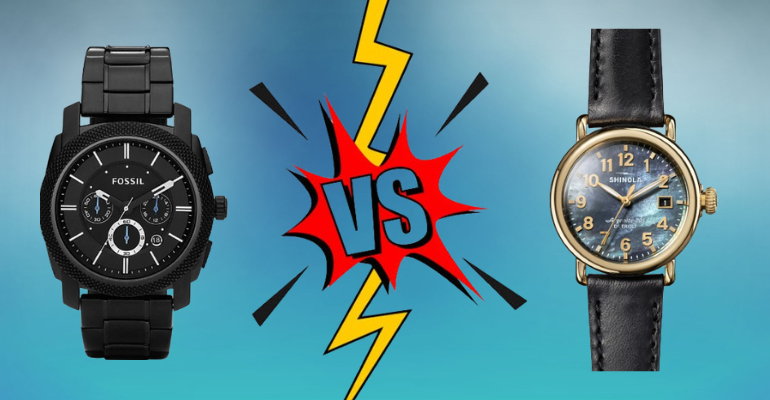
The Shinola watch pitch is one of the most effective in American retail. Made in Detroit. American craftsmanship. Workers paid fairly. A brand built on the revival of manufacturing in a city that had lost so much of it. The watches look genuinely beautiful — the Runwell in particular is the kind of watch that makes you feel like you’ve made a considered, values-aligned purchasing decision rather than just buying something you liked the look of.
The Fossil pitch is considerably less romantic. Fossil is a Dallas-based company that makes fashion watches at accessible price points, primarily in Asia. The watches look good. They use reliable movements. They cost a fraction of what Shinola charges.
The price gap between a comparable Shinola watch and a comparable Fossil watch is somewhere between $350 and $700 depending on the model. I want to tell you honestly what you get for that difference because I think most of the coverage of Shinola either overcelebrates the Made in America story or dismisses the brand as overpriced without engaging seriously with what the product actually delivers.
Shinola was founded in Detroit in 2011 by Tom Kartsotis, who previously founded Fossil. This fact is worth sitting with for a moment. The man who built Fossil — the accessible fashion watch company — founded Shinola as a premium alternative. He knew exactly what the difference between the two products was going to be and he built both.
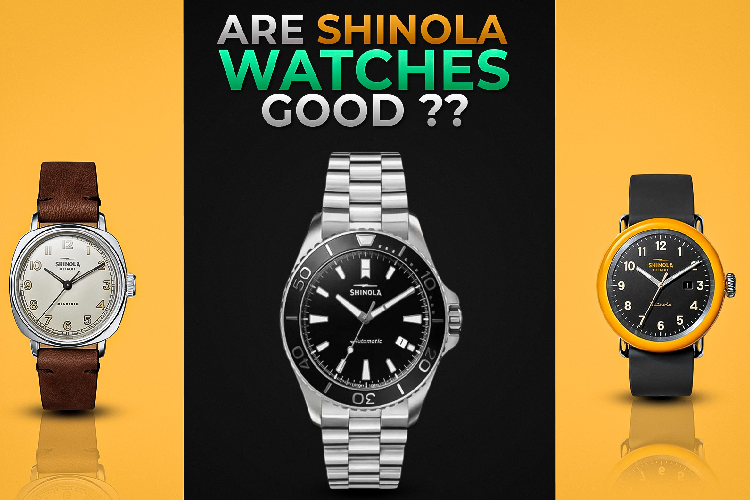
The assembly in Detroit is real. Shinola watches are genuinely assembled in their Detroit facility. The workers are paid American wages. The brand has invested in manufacturing infrastructure that actually exists, not just in marketing imagery.
What is also real: the watch movements in Shinola watches are not made in Detroit. The movements — the mechanical heart of the watch that actually keeps time — are sourced from Swiss and Japanese manufacturers (primarily Ronda and Miyota, depending on the model and era). This is not unusual in the watch industry. Very few brands at any price point make their own movements. But it’s something that the “Made in Detroit” story can obscure if you’re not looking for it.
This matters when you’re evaluating the price premium. The Shinola price includes: American assembly, American wages, American brand story, real quality finishing on the case and dial, and a movement that’s reliable and well-specified but not exclusive to Shinola.
The Shinola Runwell is the reference point I’m using here. It’s their iconic model, the one that shows up most in editorial coverage, and the one that best represents what Shinola does at its best.
The case finishing on the Runwell is excellent. The polished and brushed surfaces are clean and precise. The dial print is sharp and consistent. The date window — a small detail that often looks cheap on fashion watches — is properly framed. The lume application on the hands is neat. These are genuine quality signals that you can see and feel.
The strap options on Shinola vary. The leather straps from their Detroit facility are well-made and break in nicely over time — they have a quality that comes from decent leather properly finished, which is different from the pleather straps on fast-fashion watches even when both look similar new. The NATO and other fabric straps are well-executed.
The overall wearing experience is solid. The watch sits on the wrist well, the case proportions are classic without feeling dated, and the movement — Ronda or Miyota depending on the model — keeps accurate time reliably.
Fossil’s Neutra and Heritage lines are the clearest comparison points to Shinola’s core offering — classic, round dial watches with clean aesthetic choices at $100-200.
The case finishing on Fossil’s better pieces is good but not Shinola good. Up close, the polishing is slightly less precise, the dial text is very slightly less sharp, the case finishing shows more compromise. These are not dramatic differences and most of them disappear at normal viewing distance. But side by side with a Shinola, a Fossil looks like a fashion watch and a Shinola looks like a watch.
The Fossil movements are reliable. Fossil has built their business on accessible watches that work consistently and they’ve been doing it long enough to have figured this out. The Miyota movements they use in their better pieces are the same movements in many watches that cost significantly more. Time-keeping accuracy is not where Fossil compromises.
The straps on Fossil watches are where the quality gap is most apparent. The leather is thinner and stiffer than comparable Shinola leather, and it doesn’t break in as gracefully. The buckle hardware feels lighter. These are the places where the price difference shows most clearly in everyday use.
Here is the direct answer: the Shinola Runwell is not three times better than a comparable Fossil watch in any objective sense. The movement is similar. The timekeeping is comparable. The basic function — telling you what time it is reliably — is identical.
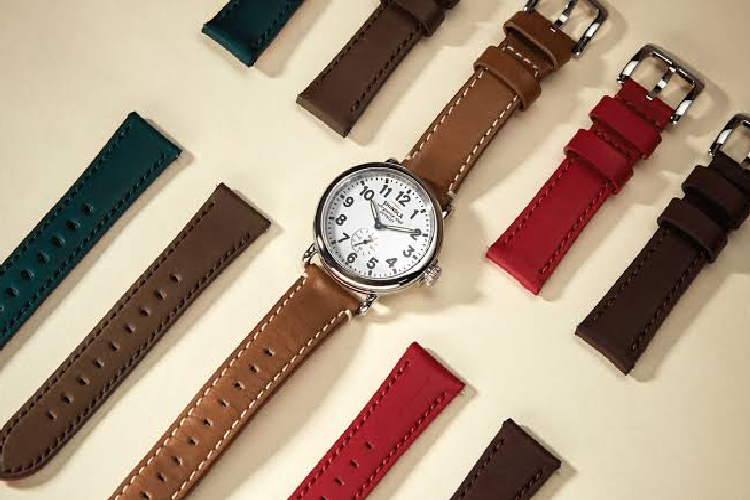
What Shinola offers for the premium: better finishing, better strap quality, a purchasing experience that includes the brand story and what it represents, and a watch that reveals its quality in close examination rather than disappearing into its price point the way good fashion watches do.
Whether those things are worth $400-700 more is a values question as much as a quality question. For someone who cares about buying American-assembled products with the understanding of what that means and doesn’t mean, and who values the watch category enough to want something that reveals its quality on close examination: Shinola is a reasonable choice at the price.
For someone who wants a well-made, attractive, reliable watch at an accessible price without any of the brand story attached to it: Fossil’s better pieces deliver this honestly and without pretense.
Neither is wrong. They’re just answering different questions.
If I were buying a watch as a gift where the story mattered as much as the object: Shinola Runwell.
If I were buying a watch to wear daily without excessive concern for it: Fossil Heritage or Neutra.
If I were buying my first serious watch with a budget between $300-500: I’d look at Seiko before either of these, because Seiko at that price point produces in-house movements with more watchmaking heritage than either brand and the value is extraordinary — but that’s a different comparison for a different day.