HOME | Fashion | Beauty | Home Furnishing | Comparison | Top Reviews |

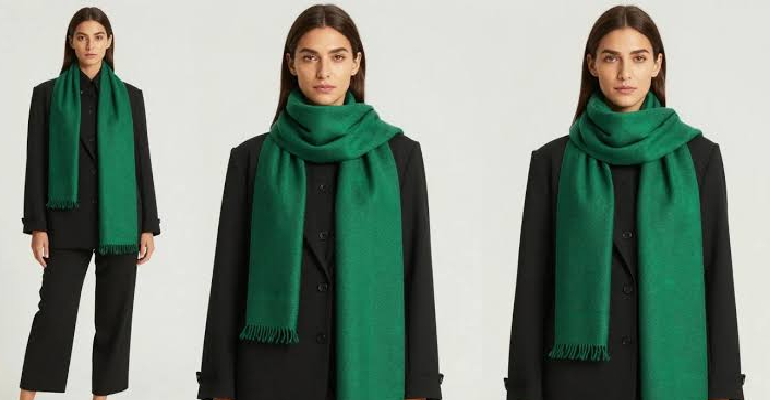
There’s a version of this article that tells you wearing black all the time is boring and you need to branch out immediately. This isn’t that version. If black works for you — if you reach for it naturally, if it suits your complexion, if it makes getting dressed easier — black is a valid wardrobe philosophy that doesn’t need fixing.
What this is for: people who want to add color but find that every attempt feels like a costume. Who buy the camel coat or the sage green blouse and then never reach for it. Who feel like themselves in black and like they’re pretending when wearing anything else.
The problem is almost never the color itself. It’s the approach.
Color feels like a costume when it’s introduced all at once or in the wrong proportion. An outfit that’s 80% color when your wardrobe is 100% black feels like you’ve accidentally walked into someone else’s clothes. The disconnect is real and produces a self-consciousness that makes the outfit feel wrong even when it looks fine.
The fix is gradual introduction in low-stakes positions — starting with color where it’s least visible and most supported by the black that still dominates your silhouette.
Start with accessories. A colored bag, a scarf, a pair of shoes in a color — these sit in an outfit that’s otherwise your normal wardrobe and allow you to see how the color reads without committing to a color piece as a primary garment. A camel bag with an all-black outfit. A burgundy loafer with dark jeans and a black turtleneck. The color is present but supported.

Move to bottom pieces next. Trousers and skirts in non-black neutrals — camel, navy, dark olive, burgundy — worn with black tops. This introduces color at a lower visual profile than a top or dress while providing more presence than an accessory. Dark olive wide-leg trousers with a black silk blouse is a complete, considered outfit where the color is present but not overwhelming.
Top pieces last. A colored shirt or blouse is the highest-visibility introduction of color because it’s closest to the face and most prominent in the silhouette. Starting here is why color introductions feel costume-like — the color competes with everything else in the outfit for visual attention.
Colors that sit close to black in tone — deep burgundy, dark olive, dark navy — feel most natural in a predominantly black wardrobe because the tonal relationship is close enough to maintain the overall feel while introducing color variation. These aren’t compromises; they’re genuinely sophisticated choices that work both as introductions and as permanent wardrobe additions.
Colors that work well against black specifically — camel, cream, terracotta, dusty pink, sage green — provide contrast without the harsh brightness of primary colors. These work naturally in the black-plus-one-color outfit formula that’s both visually clean and easy to repeat across multiple garment combinations.
The outfit formula that removes the complexity of mixing colors: one color, everything else black or white. A camel coat, black trousers, black shoes, black bag. A sage green dress, black boots, black bag. The color reads as intentional and the outfit is coherent without requiring an understanding of color theory or a willingness to mix multiple non-neutrals.

This formula removes the costume problem because the color is contextualized by the familiar blacks and whites. It reads as a considered color choice rather than a departure from self.