HOME | Fashion | Beauty | Home Furnishing | Comparison | Top Reviews |
Everlane launched in 2011 with a concept called radical transparency — they would publish the cost of making each garment and their markup so customers could see exactly what they were paying for. It was a compelling pitch at the right moment and it built significant brand loyalty among people who wanted to feel good about where their clothing dollars were going.
In 2026, the picture is more complicated. The radical transparency has become less radical as the company has navigated commercial realities. The product quality has fluctuated. The brand has faced and addressed criticism around labor practices. And the fundamental question — is Everlane worth paying more than fast fashion for their basics — has a more nuanced answer than their marketing suggests.
I’ve been buying from Everlane since 2016. Here is what genuine long-term ownership produces as an assessment.
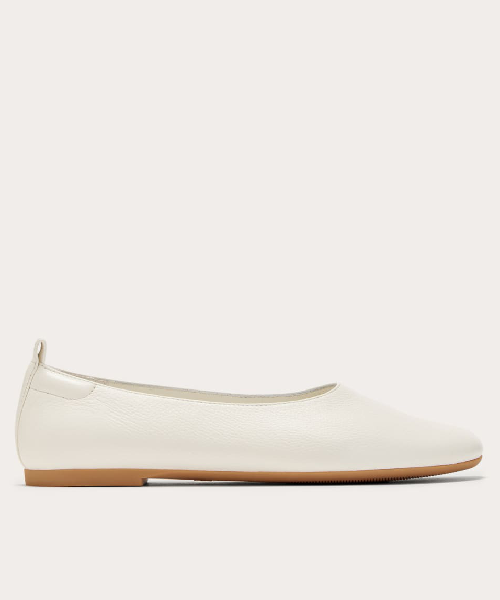
The Day Glove Flat is the Everlane product I’d recommend most confidently without qualification. The point toe flat in their Italian leather is genuinely well-made — the leather is soft from the first wear rather than requiring a painful break-in period, the construction holds up to daily wear, and the design is classic enough to have remained in their range for years without revision. At around $165, it competes with shoes at significantly higher price points from brands without the direct-to-consumer cost efficiency.
The 100% Human collection (their basic tees and sweatshirts) offers the best value in their range. The organic cotton weight is above average, the construction is clean, and the fit across sizes is consistent in a way that’s not always true across Everlane’s other product lines. A $35 t-shirt from Everlane outlasts equivalent items from H&M or ASOS by a margin that justifies the price difference.
The Uniform Chino is the specific trouser worth mentioning — the slim fit in their stretch twill fabric is well-calibrated, the color range includes neutrals that work in professional contexts, and the price ($68-78) is competitive with similar quality at J.Crew without the markups that come with physical retail.
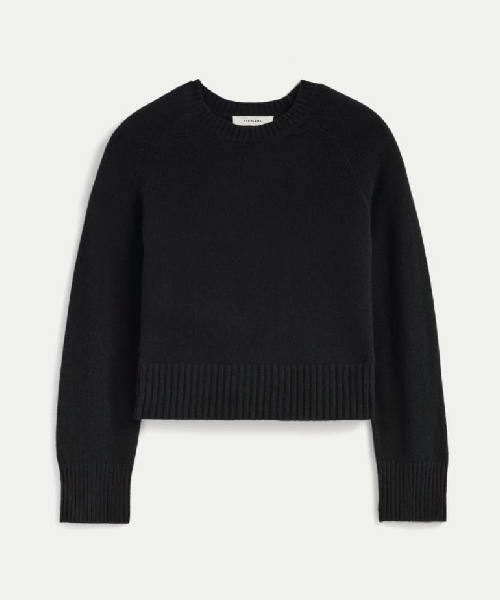
The Cashmere collection is the area of most consistent criticism and it’s fair criticism. Everlane’s cashmere is Mongolian cashmere at a price point that makes it accessible — around $100 for a crewneck. The fiber quality is at the lower end of what can be described as cashmere, and pilling begins earlier than you’d expect for a piece at $100 and considerably earlier than you’d expect if you’ve owned premium cashmere at higher price points.
This isn’t fraudulent — the fiber is cashmere, the price reflects the quality — but the marketing positions it as a meaningful upgrade from cheaper alternatives and the longevity evidence suggests the upgrade is less significant than presented. A $30 cashmere sweater from a charity shop that’s a quality secondhand piece will often last longer than a new Everlane cashmere.
The denim has received mixed reviews that have become increasingly mixed over the years. Earlier Everlane denim was well-reviewed for quality at accessible pricing. More recent releases have received criticism for stretch-out and shape retention that falls below what the price suggests. This is an area I’d approach cautiously and buy from one of the dedicated denim brands reviewed elsewhere instead.
This comparison comes up constantly because both brands occupy the quality-basics-at-accessible-prices space. My assessment after buying extensively from both:
Uniqlo wins on consistent quality, especially in their Heattech, Supima cotton, and merino wool lines. The quality-to-price ratio at Uniqlo is arguably better across a wider range of their catalogue than Everlane’s inconsistent range. If you’re choosing between them for basics, Uniqlo is often the correct answer.
Everlane wins on specific pieces — particularly the Day Glove Flat, the 100% Human tees, and some of their tailored pieces — and in the category of “brand story matters to me.” The transparency concept, though evolved from its original form, produces a shopping experience that feels more considered than Uniqlo’s mass-market presentation.
For a closet that’s trying to be quality-conscious without spending premium prices, both brands have a role — Uniqlo for consistent, reliable basics in fabric categories they’ve mastered; Everlane for specific pieces where their direct-to-consumer efficiency produces genuinely good value.