HOME | Fashion | Beauty | Home Furnishing | Comparison | Top Reviews |

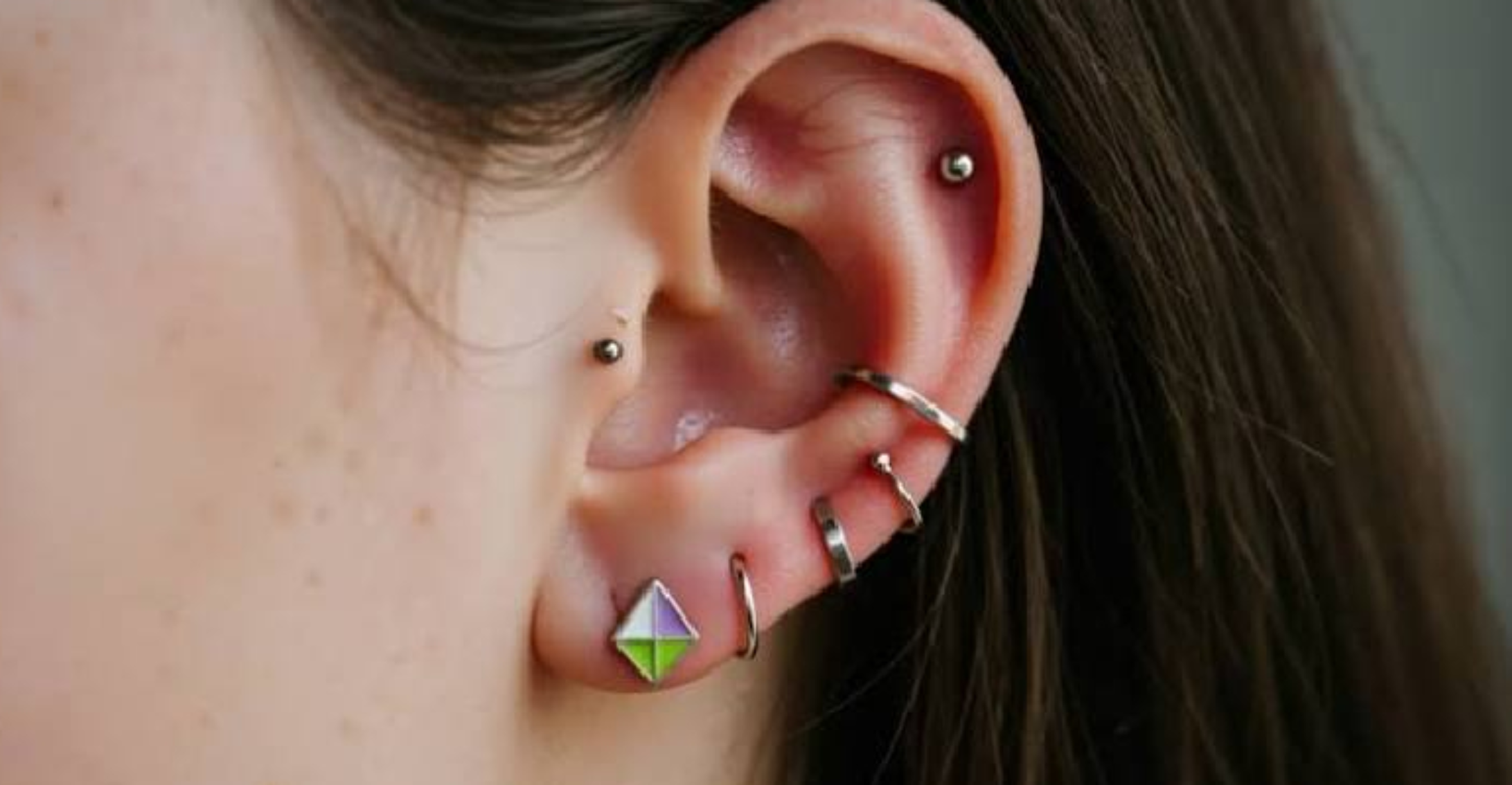
The curated ear — multiple piercings in a deliberate arrangement that creates visual interest — has been a dominant jewelry trend for several years and shows no sign of fading because it’s a genuine expression of personal aesthetic rather than a passing moment. But the curated ear requires planning, patience, and appropriate care that most people don’t fully understand before committing.
The lobe is the starting point for most people and the fastest healing location — typically six to eight weeks for initial healing, though full healing takes longer. The standard single lobe piercing and the second lobe piercing are the lowest-commitment, fastest-healing piercings in the ear.
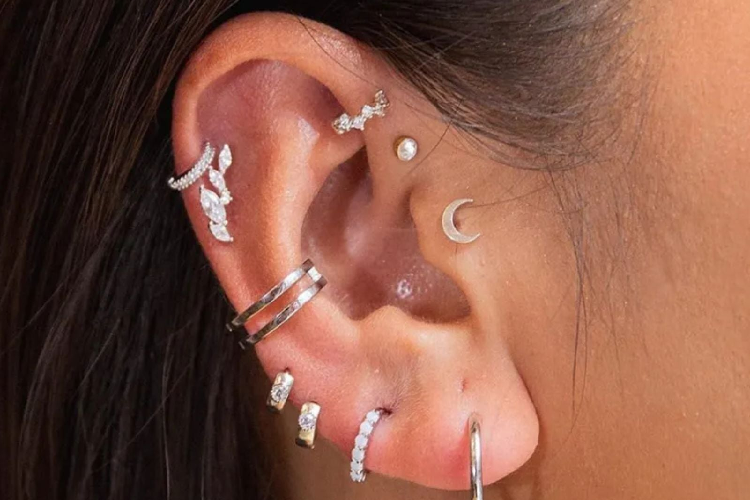
The helix (outer cartilage) is the most common cartilage piercing and the one that appears most frequently in curated ear arrangements. Healing time: six to twelve months. The upper helix, mid helix, and forward helix each have different visual positions in a curated ear arrangement.
The tragus (the small piece of cartilage that partially covers the ear canal) and the anti-tragus (directly opposite) are smaller piercings that add precision detail to a curated ear at a moderate healing timeline (six to twelve months).
The daith (the innermost cartilage fold) and the rook (the inner upper cartilage) are the statement cartilage piercings — more visible than a helix from the front, healing timelines similar to other cartilage piercings.
The conch (the center cartilage of the ear) provides significant presence when healed and jeweled, and suits either a stud or a hoop depending on the placement within the conch area.
Cartilage piercings take significantly longer to heal than lobe piercings because cartilage has less blood supply than the fleshy lobe. The initial healing (the wound closing externally) happens in two to four months. Full healing (the piercing channel mature enough to withstand jewelry changes) takes six to twelve months for most cartilage piercings and in some cases longer.
Sleep position is the most consistent variable in healing timeline — sleeping on a new piercing compresses and irritates the wound repeatedly throughout the night, extending healing significantly. Travel pillows (the U-shaped neck travel pillow used with the opening to the side where the piercing is) or piercing pillows with a cutout are the practical solutions.
Touching the piercing with unwashed hands, swimming in chlorinated or natural bodies of water before full healing, and changing the jewelry before the piercing is fully healed are the primary causes of delayed healing and piercing bumps.
Implant-grade titanium is the most recommended material for new piercings — it’s lightweight, hypoallergenic, and available in anodized colors if you want something other than silver-tone metal. Implant-grade titanium is specifically the grade that’s safe for healing piercings, not all titanium.
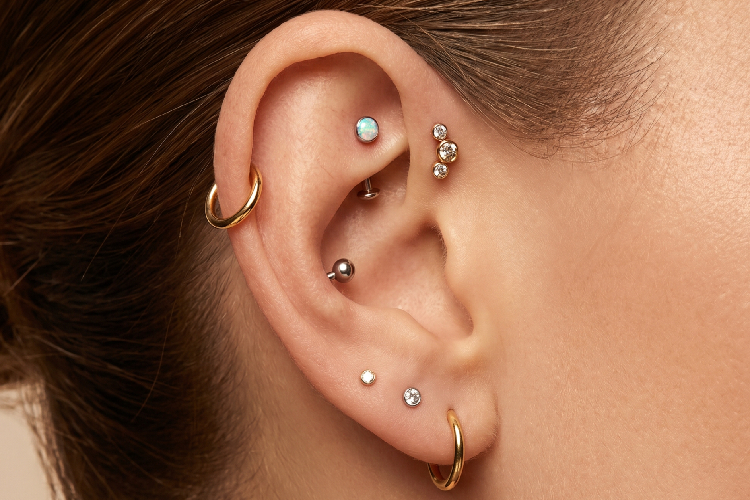
Implant-grade steel and solid 14k or 18k gold are both appropriate for healed piercings and for initial piercing jewelry from reputable piercers. Lower-karat gold (9k, 10k) contains higher amounts of alloy metals that can cause reactions in healing piercings.
The jewelry sold in most high-street fashion retail as “earrings” — plated metals, often brass or mystery-alloy base — is appropriate only for fully healed piercings, and even then carries the risk of reaction. Never use fashion jewelry in a healing piercing.