
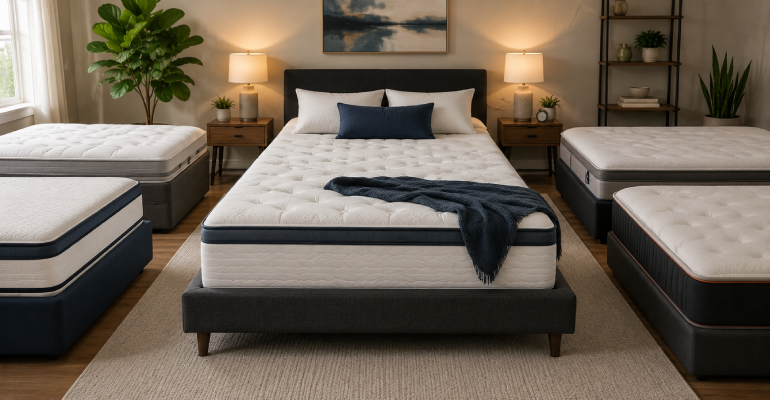
Mattress marketing is among the most misleading in consumer goods. Every brand claims to be the best sleep you’ve ever had. Every brand has a 100+ night trial, which sounds generous until you understand that returning a mattress involves scheduling a pickup (during working hours), potentially arranging disassembly and repackaging, and waiting weeks for a refund. The trial periods are real but they’re not as frictionless as the marketing implies, which means buying the right mattress rather than relying on the trial period to correct a wrong choice is still the better strategy.
I’ve slept on a Casper Wave Hybrid, a Purple Hybrid Premier, a Saatva Classic, and a Nectar Memory Foam mattress — not all of them owned, some experienced over extended stays and compared to mattresses I know well. Here is the genuinely honest comparison.
Memory foam mattresses conform closely to body shape, reduce motion transfer (important for couples), and retain heat (a genuine limitation for hot sleepers). The Tempur-Pedic PROADAPT and the Nectar Memory Foam are the reference products in this category.
Innerspring mattresses have traditional coil support with a comfort layer on top. They sleep cooler than memory foam, have more bounce, and don’t conform as closely — which some sleepers specifically prefer. The Saatva Classic is the most recommended in this category for the online mattress market.
Hybrid mattresses combine coil support with a memory foam or latex comfort layer. They sleep cooler than full memory foam, provide better edge support, and suit a wider range of sleeping positions. The Purple Hybrid Premier and Casper Wave Hybrid are the reference products.
Latex mattresses use natural or synthetic latex for both support and comfort. They sleep cool, are responsive (bouncy) rather than conforming, and are the longest-lasting mattress type by typical lifespan measures. They’re also typically the most expensive and heaviest.
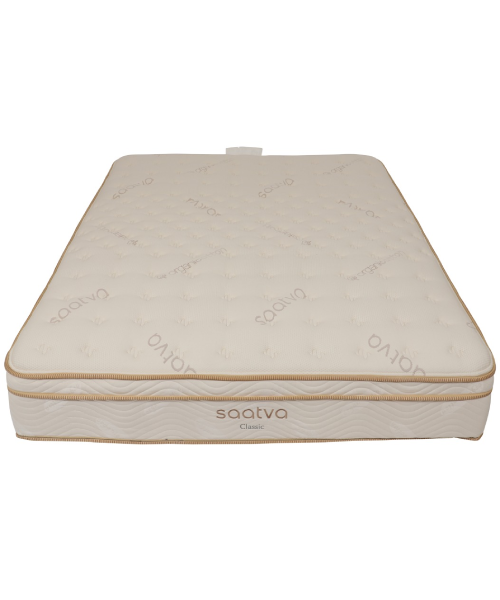
The Saatva Classic costs around $1,000-1,800 depending on size and comes in three firmness options (Plush Soft, Luxury Firm, and Firm). The coil-on-coil construction (individually wrapped coils over a tempered steel coil base) produces the traditional innerspring feel — responsive, bouncy, with good edge support — that mattress buyers who’ve grown up on spring mattresses often find more comfortable than memory foam.
Saatva’s white glove delivery service (free) means the mattress arrives assembled, is set up in the room of your choice, and the old mattress is taken away. This is a meaningful logistical advantage over mattresses delivered in boxes that require unpacking, unrolling, and off-gassing before use.
The Luxury Firm option (their most popular) provides a balanced support that suits most sleeping positions and most sleepers. Back sleepers specifically tend to rate the Saatva highly because the lumbar zone support is better calibrated than most foam mattresses.
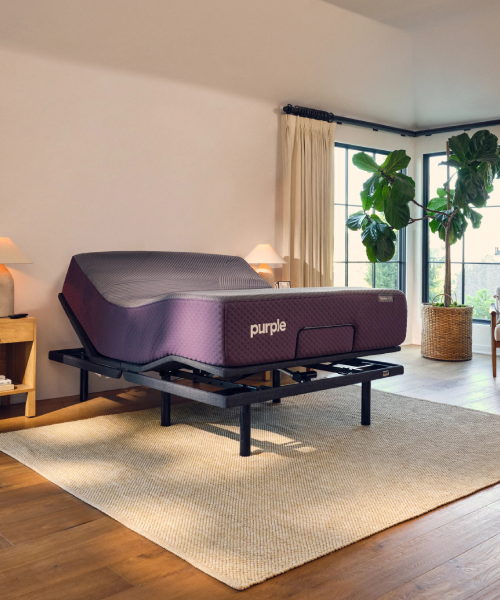
The Purple Hybrid Premier costs around $2,000-3,000 depending on size and is the specific recommendation for people who sleep hot and have been disappointed by memory foam’s heat retention. The Purple Grid — a hyper-elastic polymer grid rather than foam — doesn’t trap heat the way memory foam does and provides a pressure relief that’s genuinely different from both foam and spring alternatives.
The sleeping experience on a Purple is distinctive and not universally loved. The grid creates a firmer feel than the softness score suggests — it doesn’t conform to body shape the way memory foam does, it supports it. Sleepers who expect a “sink in” feeling from a pressure-relief mattress sometimes find the Purple Grid too resistant. Sleepers who prefer to feel “on” the mattress rather than “in” it tend to love it.
The motion isolation is good but not as complete as memory foam, which matters for couples where one partner moves significantly during sleep.
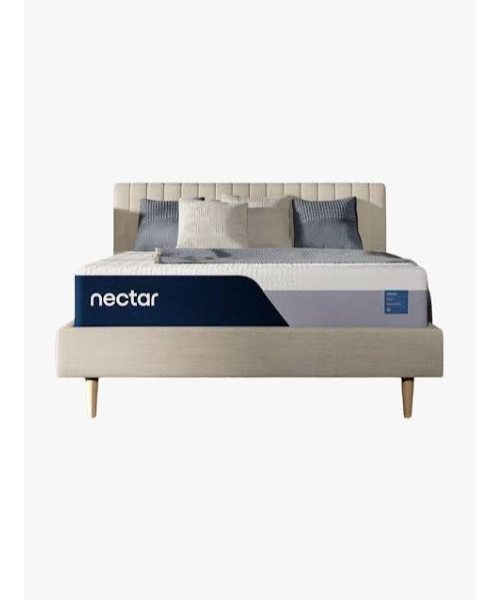
The Nectar Memory Foam mattress costs around $500-900 depending on size and is the most consistently recommended budget memory foam option based on owner satisfaction surveys. It’s a medium-firm memory foam mattress with an adequate comfort layer that performs well above its price for pain relief, motion isolation, and general comfort for back and side sleepers.
The limitations at this price: the edge support is mediocre (sitting on the edge of the bed or sleeping near the edge produces significant compression), the mattress retains heat more than premium foam options, and the long-term durability (over seven to ten years) is less established than Saatva or Purple.
The Allswell Luxe Hybrid (around $400-600) is the budget hybrid recommendation — it provides the bounce and cooler sleep of a hybrid at a price significantly below Casper and Purple. For a college student, a guest room, or a first apartment where budget is genuinely constrained, the Allswell performs adequately and the price makes the stakes of an imperfect choice lower.
100-night sleep trials are standard in the online mattress category. What they actually involve: if you want to return within the trial period, you contact the company, they arrange a pickup, and once the mattress is received and inspected, your refund is processed. Most companies work with charities or disposal services for returned mattresses rather than reselling them.
The experience of actually returning a mattress during a trial period is more inconvenient than the headline suggests — you need to be available for a pickup window (often a half-day), you may need to package the mattress (some companies handle this, others require it), and the refund timeline varies by company from days to weeks. This is not a reason to avoid buying a mattress online, but it’s a reason to do genuine research before buying rather than treating the trial as a no-cost correction mechanism.